
blog
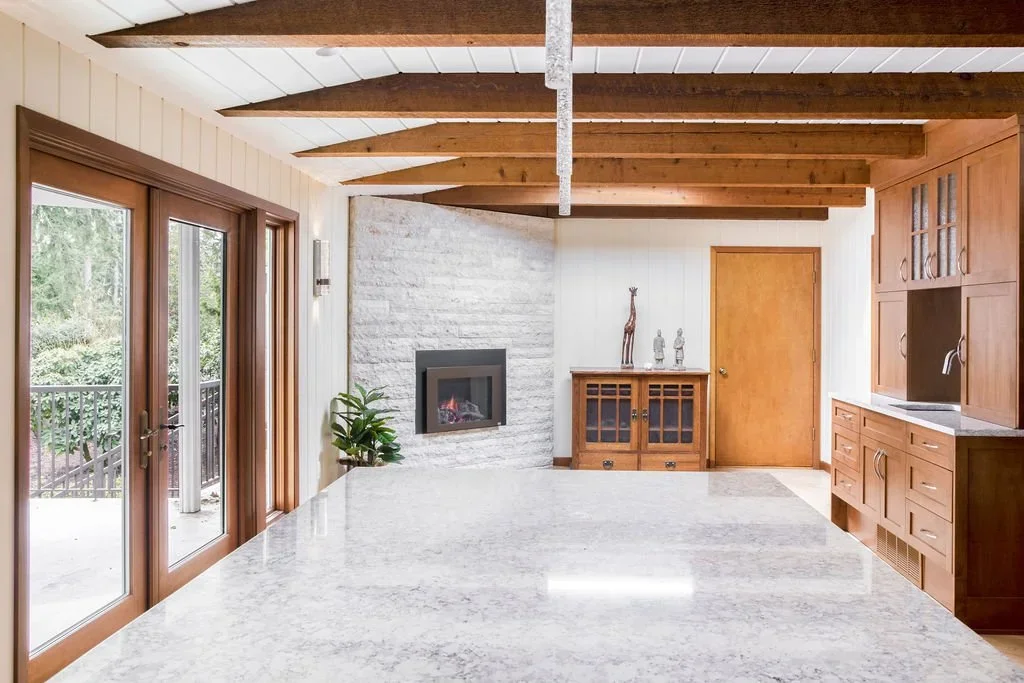
How to Choose Fireplace Surround Materials for Your Remodel
Choosing a fireplace surround starts with the fireplace itself. Explore material options, design details, and practical considerations for your remodel.
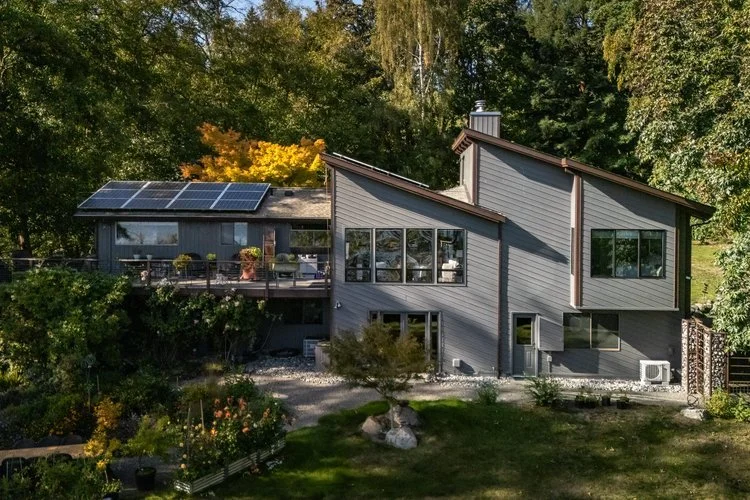
Home Addition or Remodel? How to Decide When Your House Feels Too Small
You love where you live. You know the neighbors, you have a favorite spot for your morning coffee, and moving sounds considerably less appealing than staying put. But the house itself is becoming a squeeze.
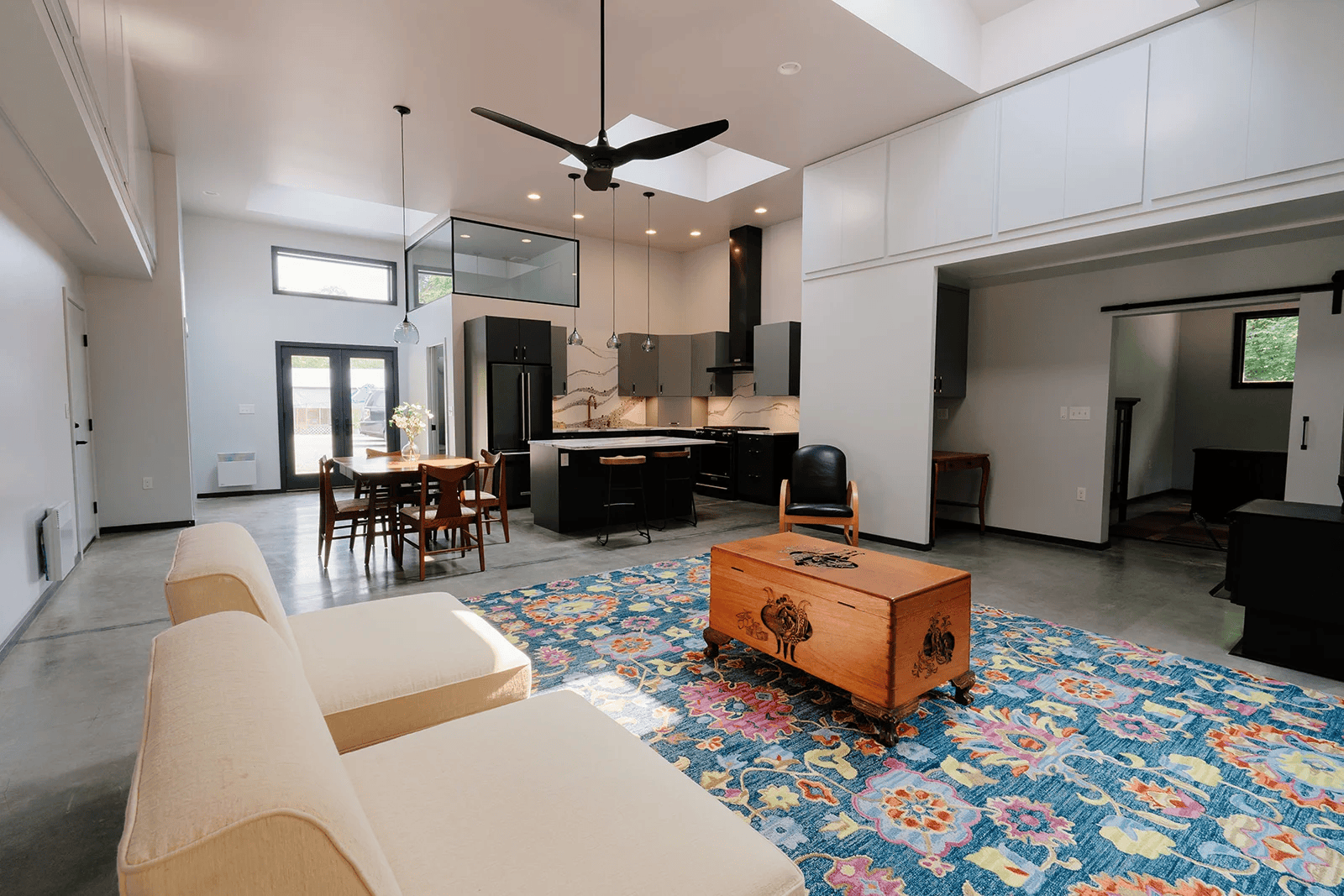
Open-Concept vs. Closed Floor Plans: What Works for Your Home?
Before removing a wall, consider what it contributes. Explore how open, closed, and partially open layouts support different ways of living.
Why Design Ethics & Trade Relationships Protect Your Investment
If you’ve ever walked into a custom home with flawless tile layouts, whisper-quiet cabinetry, or a thermostatic shower that feels like a spa retreat, you’ve experienced the magic of great interior design.
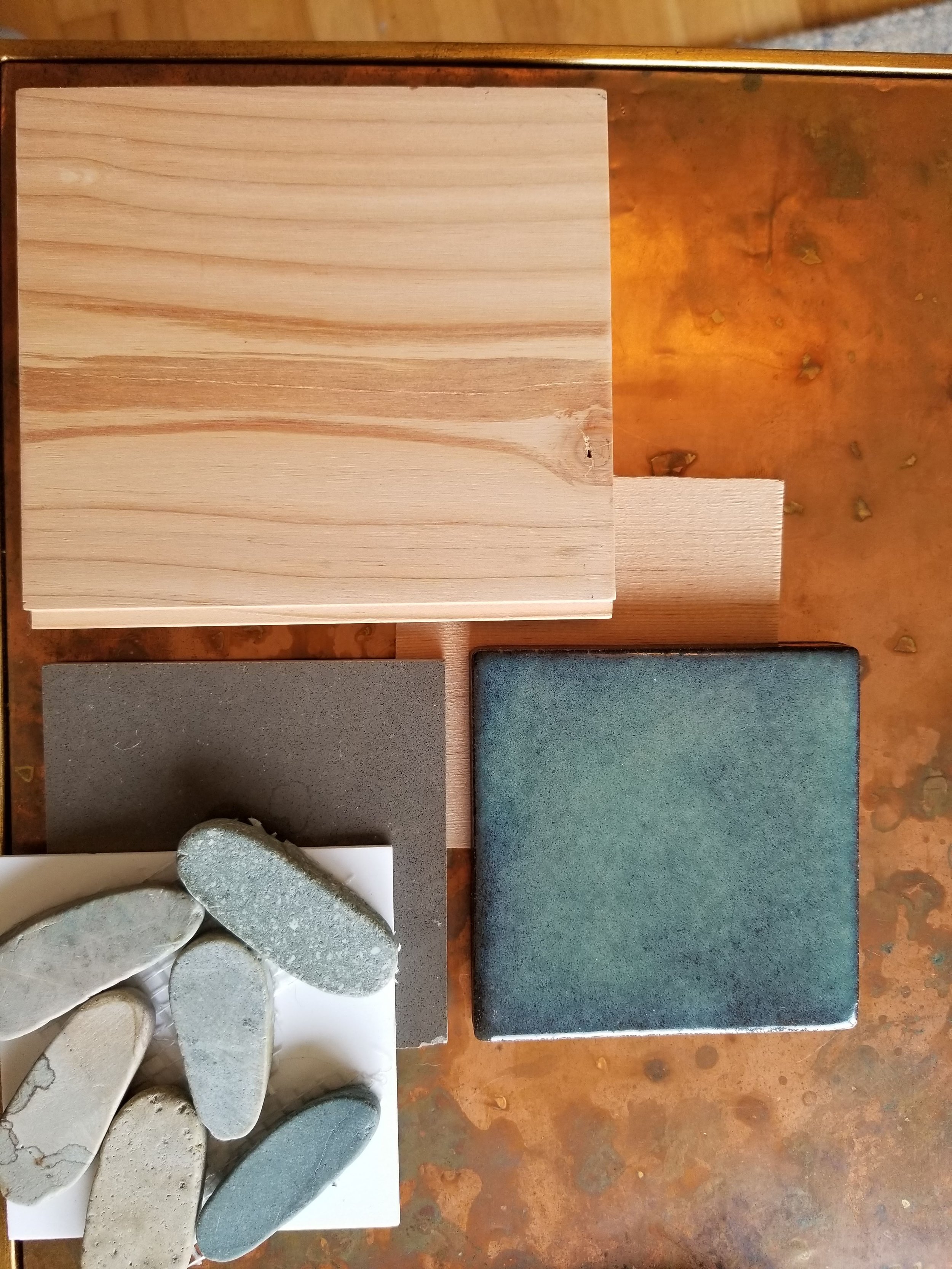
What Does "Procurement" Really Mean? (Hint: It’s Not Just Clicking "Add to Cart")
Because online shopping is so frictionless, it’s easy to assume that when a design firm "sources" products for a custom build or remodel, we’re doing a version of that same thing. You might picture us scrolling through websites, picking out pretty items, sending an invoice, and clicking buy.
In reality? Sourcing and procurement is one of the most intricate, highly technical, and protective services we provide. It’s the bridge between a beautiful concept on paper and a healthy, high-performing home that stands the test of time.

2026 Update: Budgeting Your Design Project
We do not take on projects without an established budget. But, how can one develop a budget without understanding the costs? Well, for starters, whether it is known or not, the budget exists. There is a number that is definitely too high, and there are expectations that would deem a low budget too low.
There are two crucial factors that should be considered before even scheduling that initial consultation. Time and Money. They absolutely do matter in planning a design project. Read on to find out how to develop your budget.
How Custom Interior Strategy Transforms a New Build
Sometimes, people think that starting the design phase of a new build is just about getting "drawings" on paper; putting down a basic footprint with a box marked for the kitchen, a spot for the bed, and a placeholder for the bath. But if you’re building custom, generic placeholders miss the best part of the process!
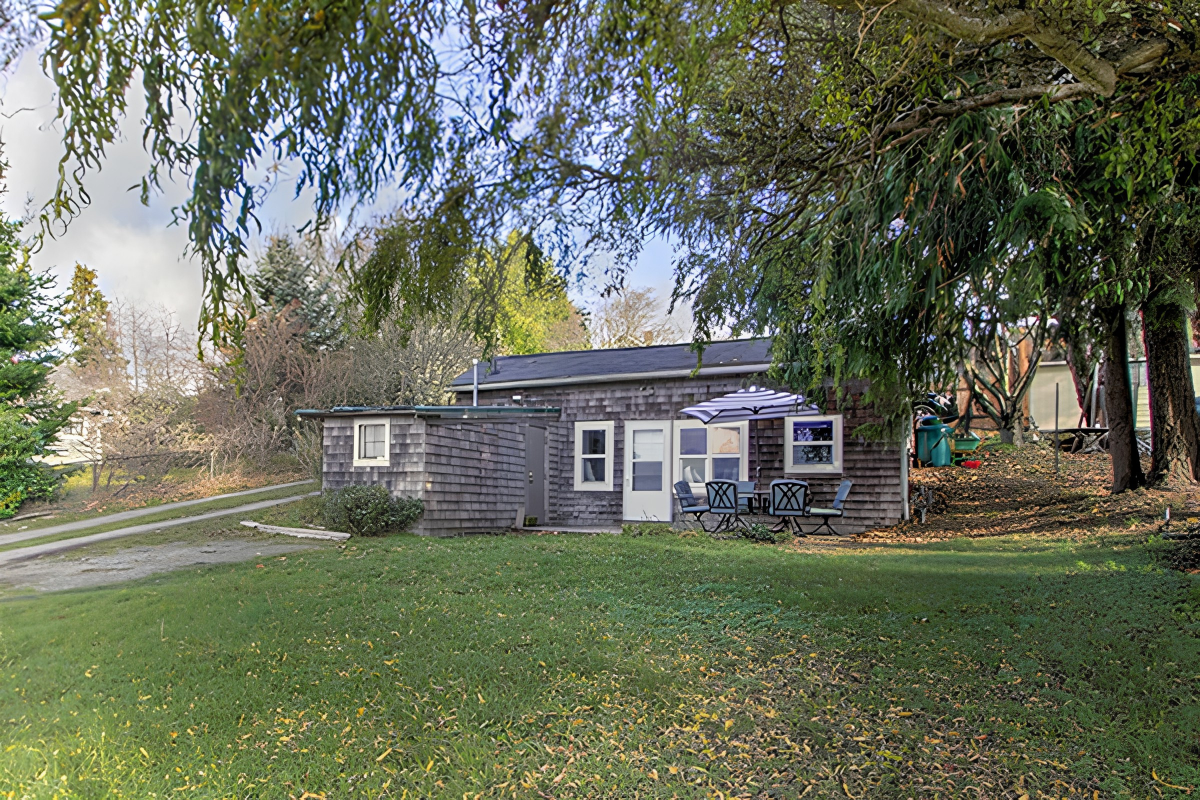
A New Home for Waldron Designs
We’re packing up our in-town studio and getting ready for a move! And this time, we think we may have found our last studio. Short of designing and building a space from the ground up, we found what we were looking for right in front of us: a place of our own, room to make it ours, and a view across Quartermaster Harbor that will be pretty hard to beat.
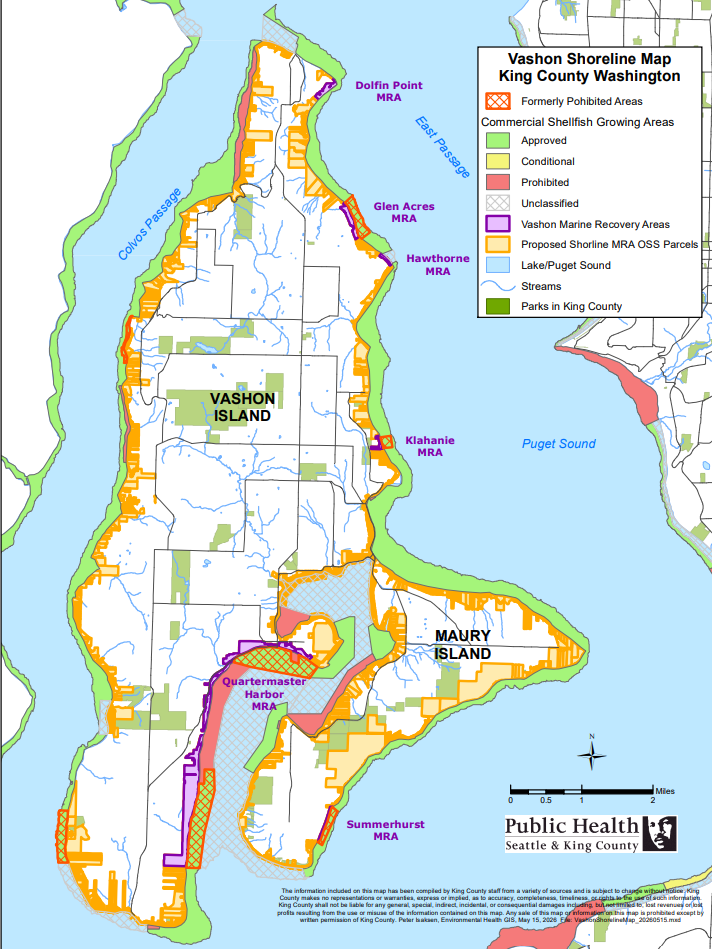
Why Vashon Needs Practical Septic Solutions, Not Regulatory Roadblocks
I recently attended a Vashon-Maury Community Council meeting where Public Health presented their proposed update for the Vashon-Maury Marine Recovery Area (MRA). That meeting was such an eye-opener that I signed up as a council member right on the spot!
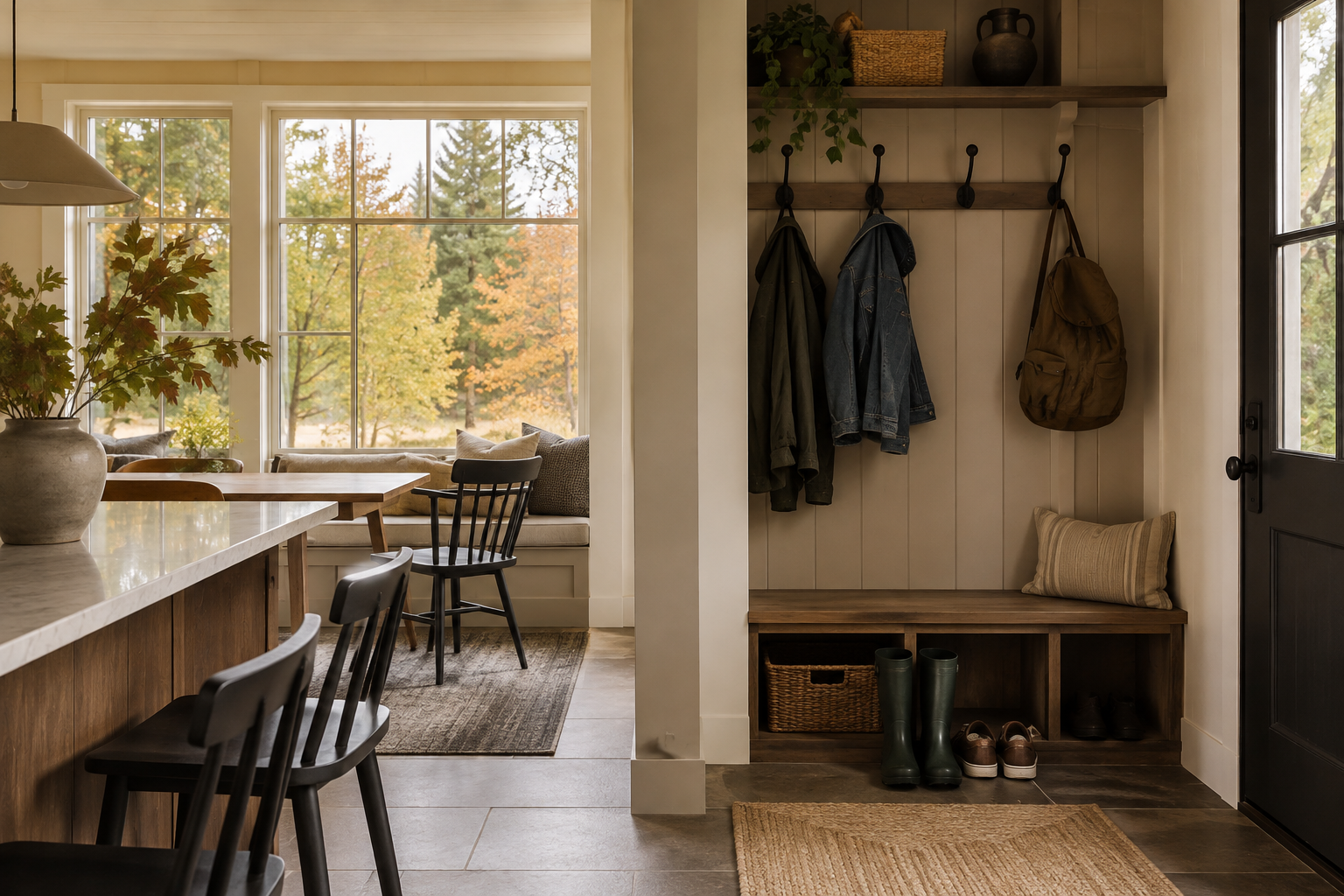
When Summer Winds Down: Designing a Home for the Rhythm of Fall
There’s a particular shift that happens at the end of summer here in the Pacific Northwest. The afternoons can still be warm, the windows are still open, and we’re not quite ready to admit that summer is winding down. But the signs start showing up anyway. Backpacks reappear by the door, calendars begin filling up, mornings become more structured, and the evening light starts disappearing a little earlier.

Madison Park Craftsman Potential and Arboretum Canopy Inspiration
So, I had a bit of a fun weekend adventure that I wanted to share! I did an open house tour of a super sweet 1920s Craftsman over in Madison Park, and then decided to head right over to the Washington Park Arboretum to take a walk, clear my head, and check out the summer canopy.

Reimagining Vashon’s Main Strip for Everyday Life and Festival Weekend
I wrapped up my last volunteer shift for the Strawberry Festival weekend and snapped a quick, sunny selfie on my way out to celebrate, haha! Huge shoutout to the festival committee and everyone who put in endless hours to pull this off for our island. It’s always such a great reminder of how special this community is.