
7 Reasons Interior Designers Source and Procure Products for Clients

When people think about interior design, they usually picture finishes, furniture selections, and floor plans. What most clients do not see is the operational side of the work, sourcing products, coordinating vendors, tracking lead times, managing freight, inspecting deliveries, and solving problems before they affect construction.
Procurement is one of the most important parts of a successful project. It is also one of the least understood.
At Waldron Designs, sourcing and procurement are treated as part of the overall design process because even the best plans fall apart if products arrive damaged, late, or incorrectly specified.
What Interior Design Procurement Actually Means
Interior design procurement is the process of sourcing, ordering, tracking, receiving, inspecting, and coordinating the materials and products needed for a project. That can include everything from plumbing fixtures and tile to cabinetry, lighting, appliances, and custom furnishings.
This is not simply ordering products online. Procurement is a coordination process tied directly to budgeting, scheduling, construction sequencing, and installation.
A well-managed procurement process keeps projects moving and helps prevent avoidable delays.
1. Designers Help Prevent Expensive Ordering Mistakes
One incorrect order can create weeks of delays during construction.
Designers verify measurements, specifications, finish selections, installation requirements, and compatibility between products before anything is purchased. That level of review helps reduce return fees, damaged timelines, and costly reorders.
Many products also have strict ordering requirements or limited return policies. A small oversight can quickly become expensive once freight and labor are involved.
2. Procurement Helps Keep Construction on Schedule
Construction timelines rely heavily on material availability.
Custom cabinetry, specialty lighting, plumbing fixtures, and made-to-order furniture often have extended lead times. Some products are scheduled months in advance to align with construction phases and installation windows.
When procurement is handled alongside the design and construction process, materials are more likely to arrive when they are actually needed, not after contractors are already waiting on-site.
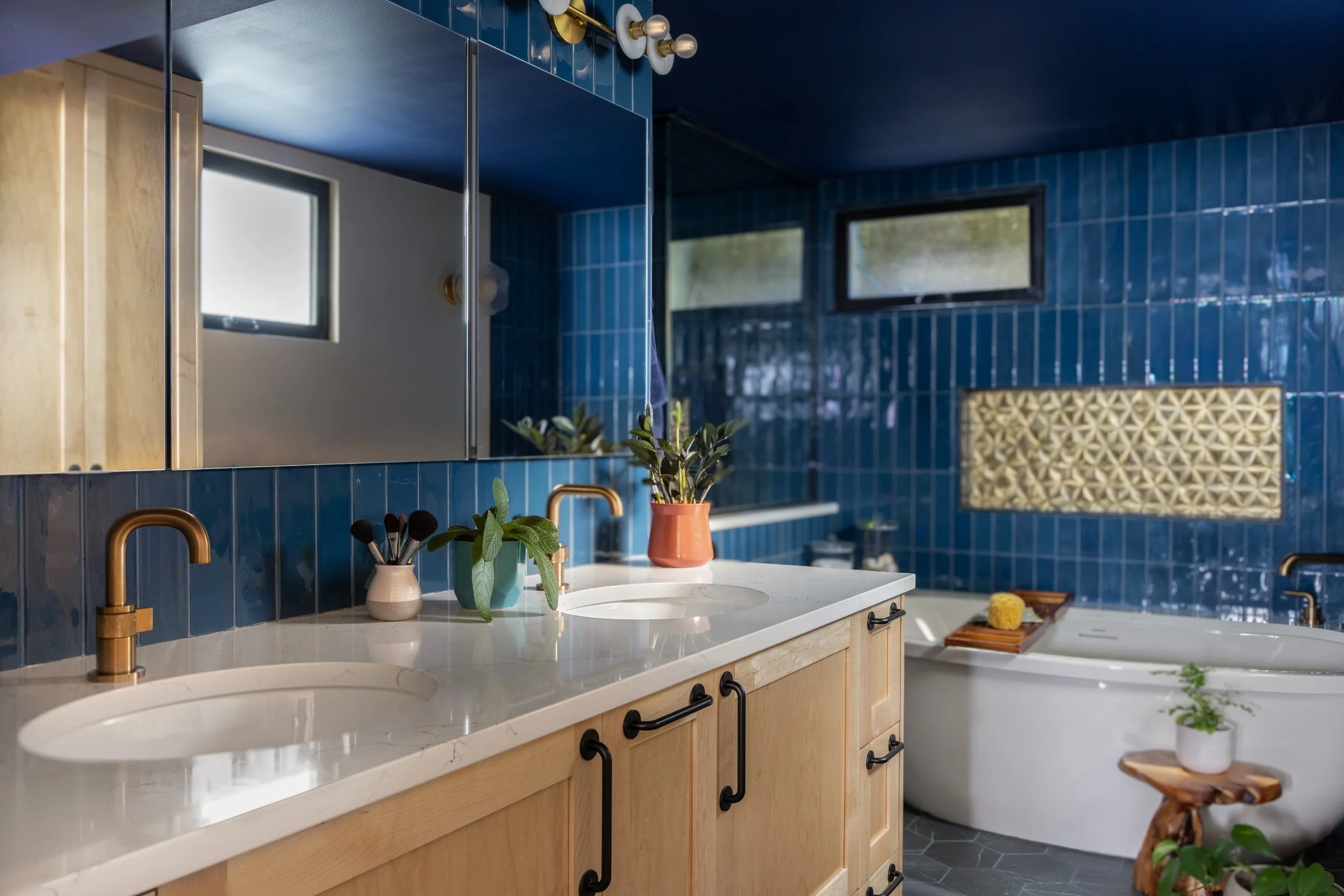
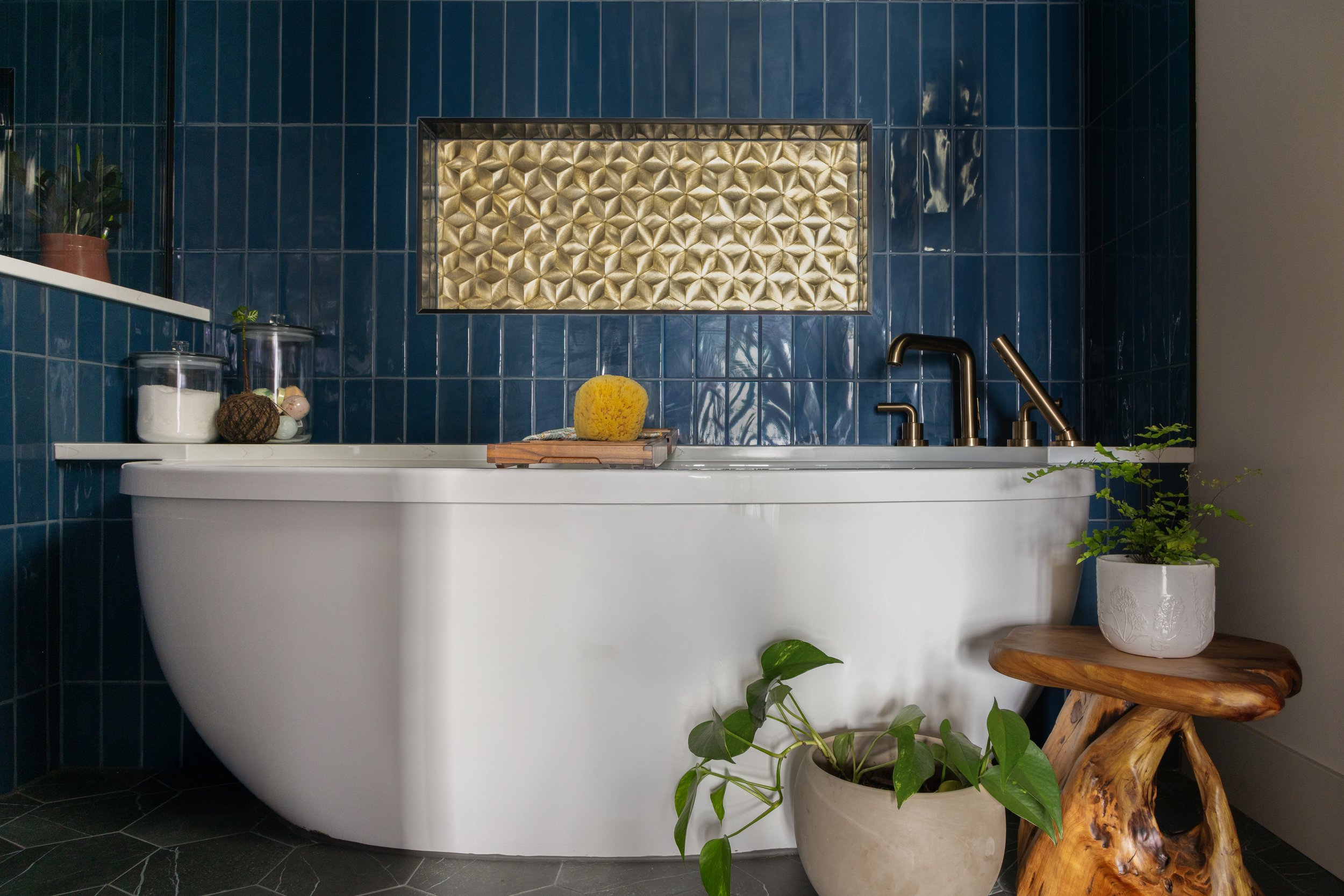
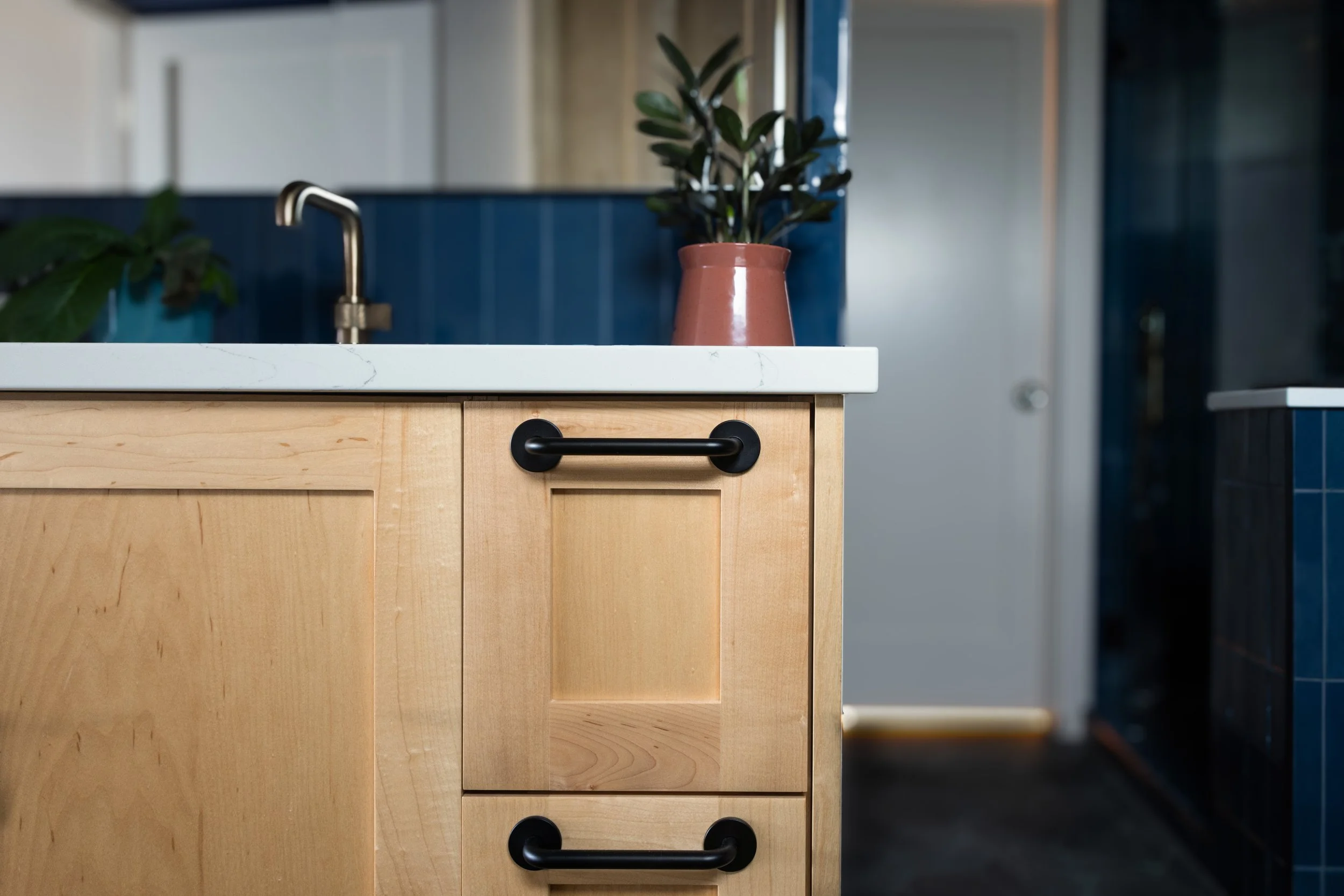
3. Designers Coordinate With Vendors and Manufacturers
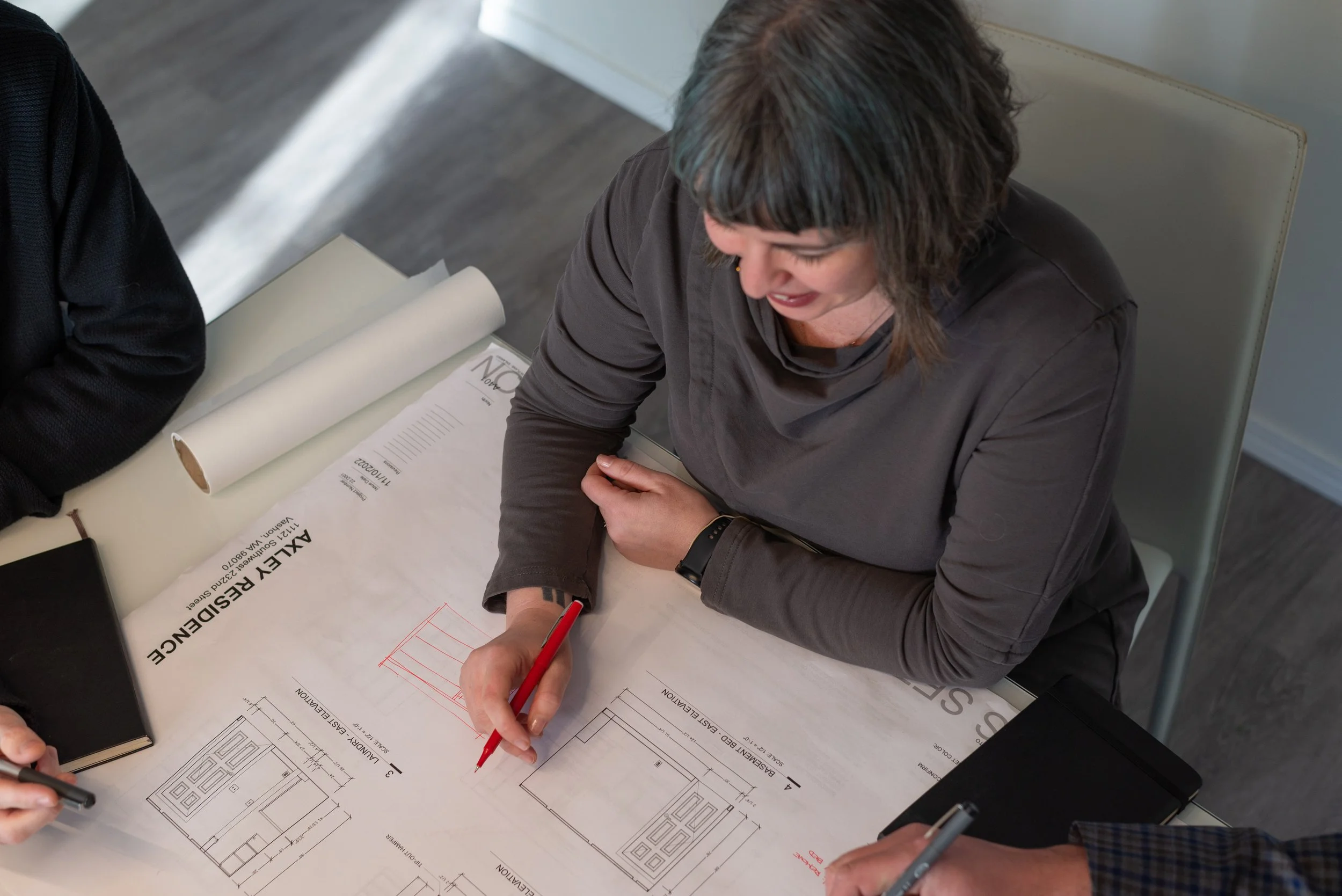
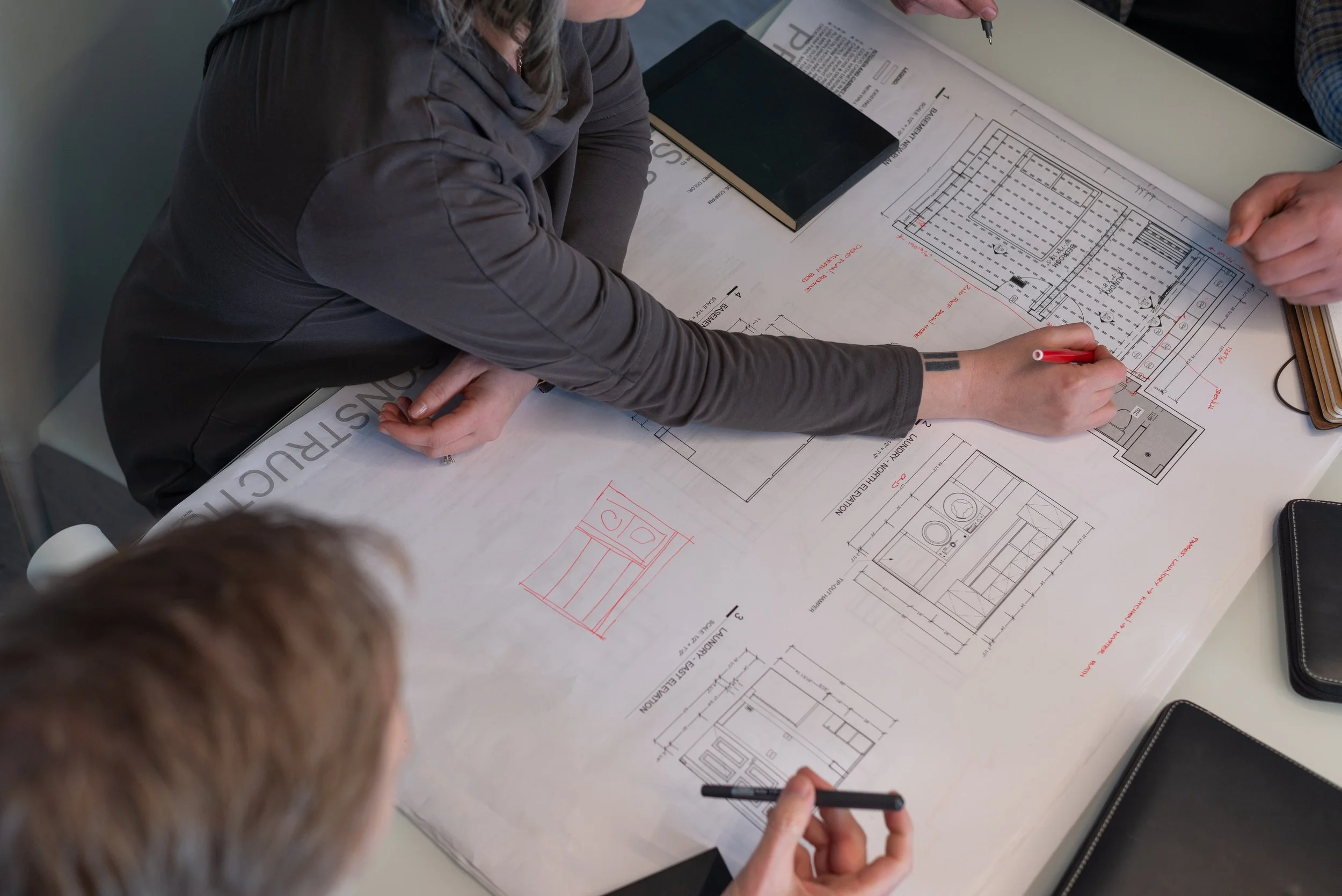
Most renovation and custom home projects involve multiple vendors across different industries. Managing those relationships takes consistent communication and oversight.
Procurement coordination often includes reviewing shop drawings, confirming specifications, tracking shipments, resolving damages, handling backorders, and communicating with suppliers when manufacturing issues arise.
Without centralized coordination, small communication gaps can quickly turn into larger construction problems.
4. Product Inspections Catch Problems Before Installation
Not every shipment arrives in perfect condition.
Freight damage, missing hardware, incorrect finishes, and manufacturing defects are common realities in construction projects. Discovering those issues after installation is scheduled can create significant setbacks.
A structured procurement process allows products to be inspected in advance, so replacements or corrections can be made before they affect the project timeline.

5. Designers Understand Material Performance
Sourcing products is not only about appearance. Performance matters just as much.
In the Pacific Northwest in particular, materials need to withstand moisture, temperature fluctuations, UV exposure, and long-term wear. A product that photographs well online may not function well in an actual home environment.
Designers evaluate durability, maintenance requirements, installation conditions, and overall suitability before specifying materials for a project.
6. Procurement Creates Better Budget Visibility
Procurement management also improves financial clarity throughout a project.
Clients can more easily track what has been ordered, what is still pending, where allowances may shift, and how lead times affect scheduling decisions. This level of organization helps reduce surprises during construction and creates a more predictable process overall.
It also allows project teams to identify potential issues earlier, before they become larger budget concerns.
7. Full-Service Procurement Reduces Stress for Clients
Managing dozens of vendors, invoices, deliveries, freight updates, and installation schedules quickly becomes overwhelming for most homeowners.
A full-service design team acts as the central point of coordination throughout the process. That means clients are not left chasing vendors, resolving shipment issues, or trying to interpret technical product information on their own.
The result is smoother communication, fewer delays, and a more organized project from start to finish.
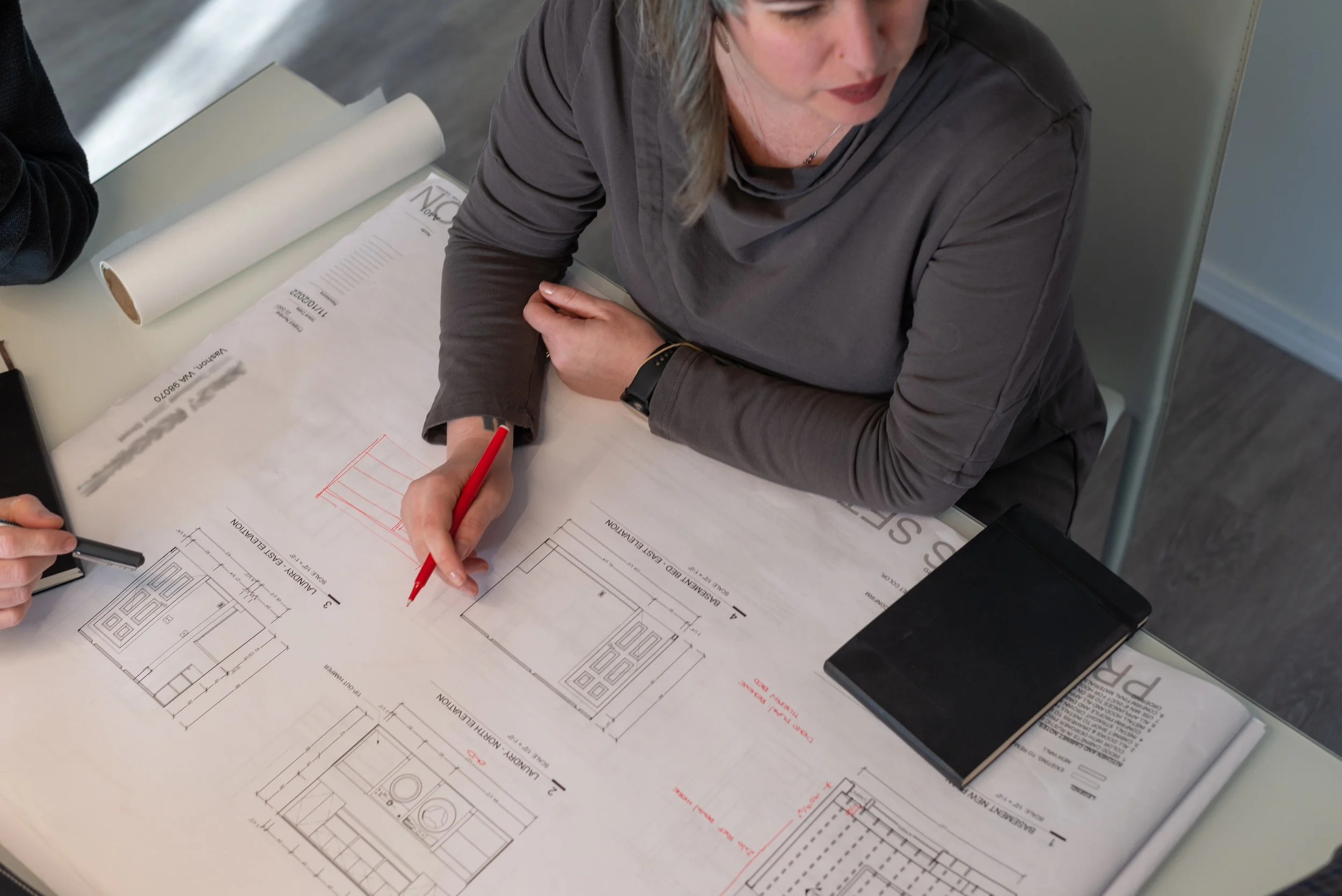
Why Procurement Matters in Design Projects
Good projects depend on more than design ideas. They rely on coordination, timing, logistics, and technical oversight.
Sourcing and procurement help connect the design vision to the realities of construction. When managed properly, they reduce risk, improve communication, and help projects move more efficiently from planning through installation.
For many projects, procurement is not an extra service. It is part of what keeps the entire process functioning well.

Waldron Designs, LLC is passionate about designing spaces rooted in their context and responsive to the natural environment. Are you ready to create sustainable permanence with your home?
GET IN TOUCH!