
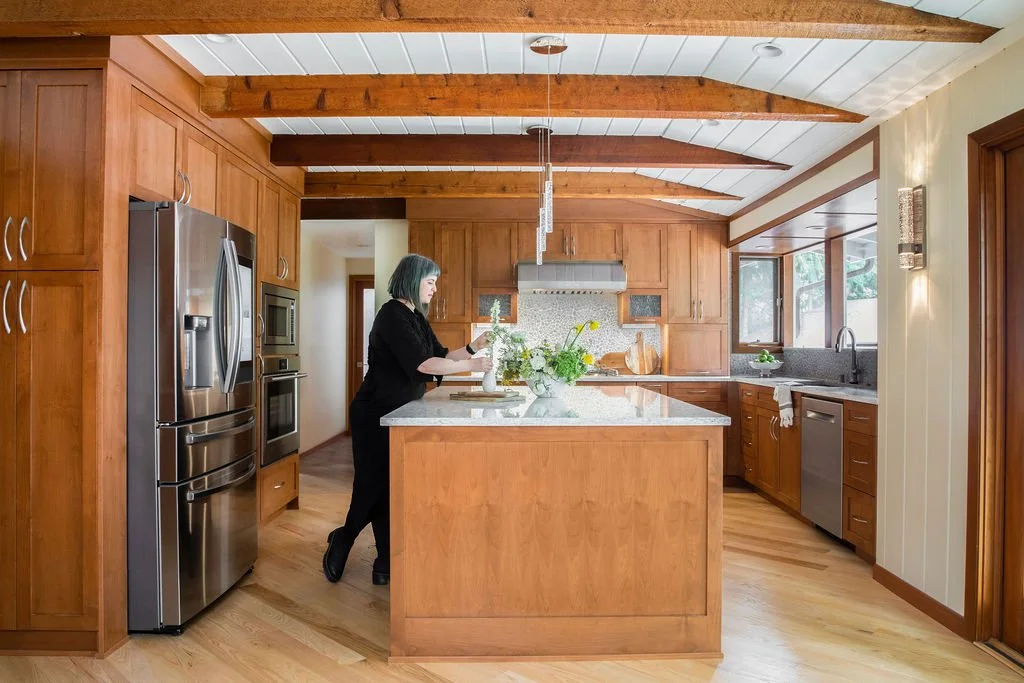
Most homeowners walk through a property imagining finishes, furniture layouts, and renovation ideas. Designers walk through a property, looking for something entirely different.
A site visit is where many of the most important project decisions actually begin. Before drawings are created or materials are selected, designers evaluate how the home functions, how the structure performs, and what conditions could affect construction later.
At Waldron Designs, site visits are an essential part of the design process because they help identify opportunities and problems long before permitting or construction begins.
Here are six things designers notice during a site visit that clients often miss.
1. Water and Drainage Conditions
In the Pacific Northwest, especially, water management matters.
During a site visit, designers pay close attention to grading, drainage patterns, downspout locations, soil conditions, and signs of moisture intrusion. Small details outside the home can have a major impact on long-term building performance.
Pooling water, improper drainage slopes, exposed foundations, and failing exterior transitions are all things that may affect future design decisions. They can also influence structural work, waterproofing strategies, and permitting requirements.
Many renovation issues begin with water problems that were never fully addressed in the first place.
2. How Natural Light Actually Moves Through the Home
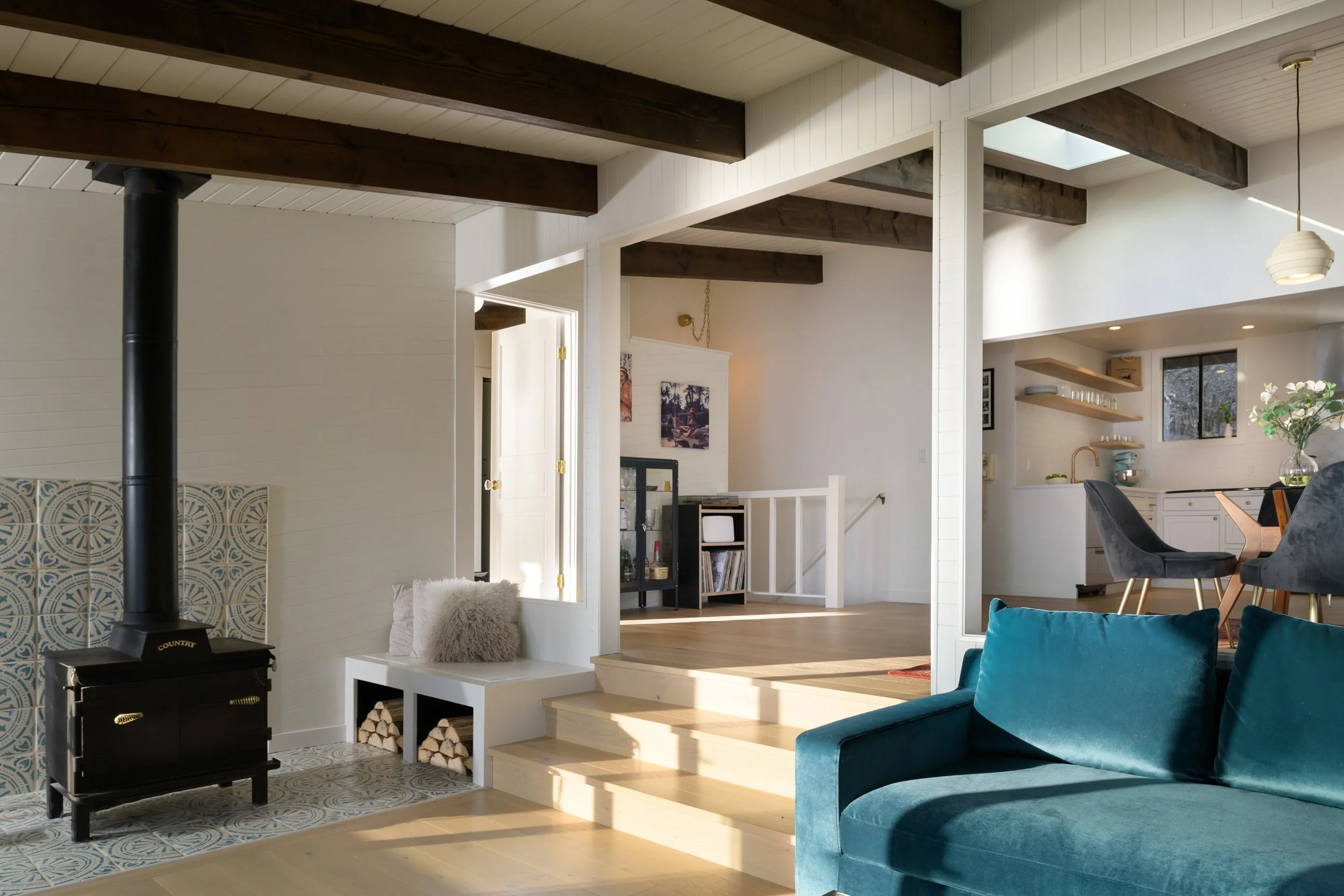
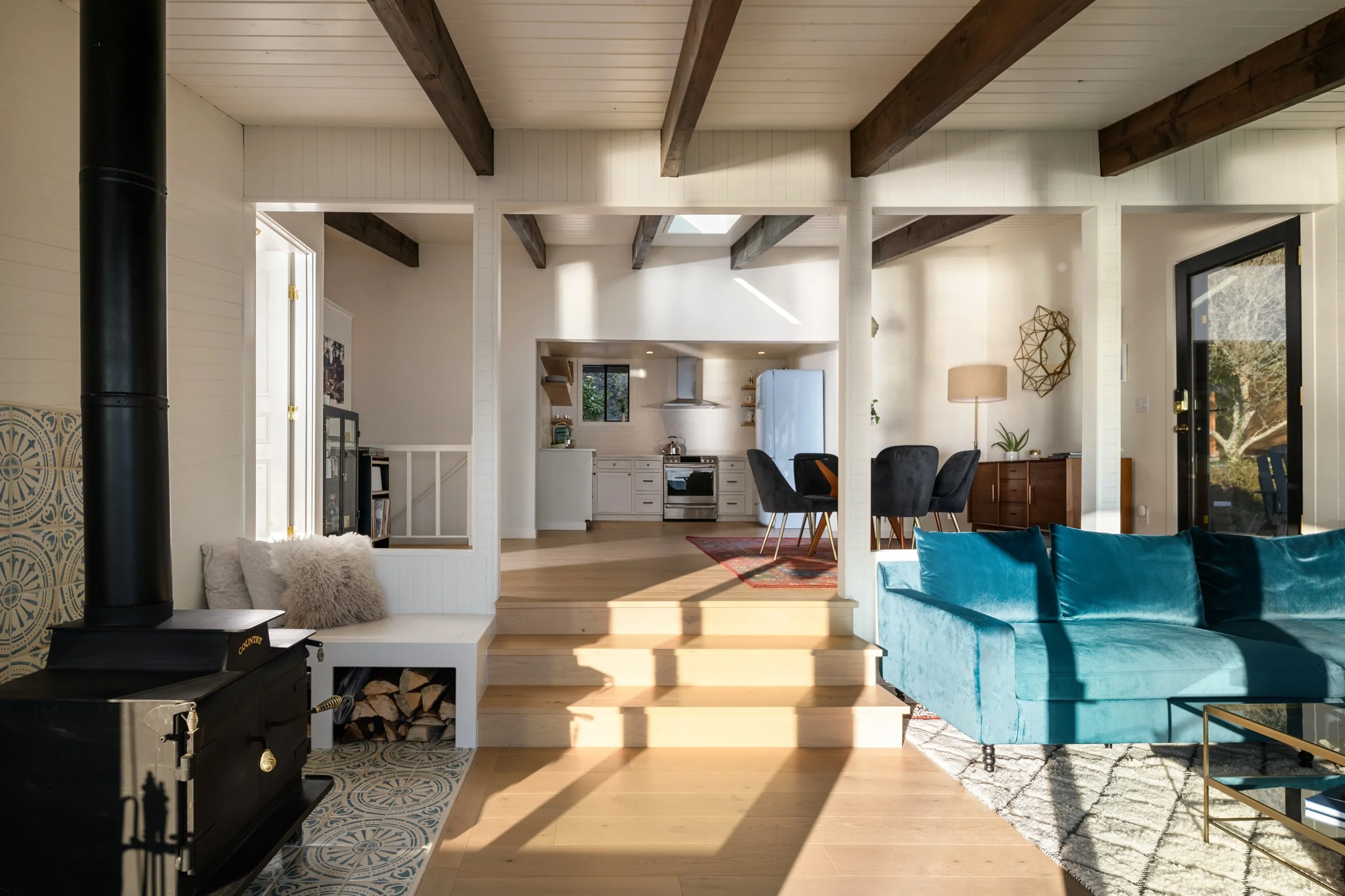
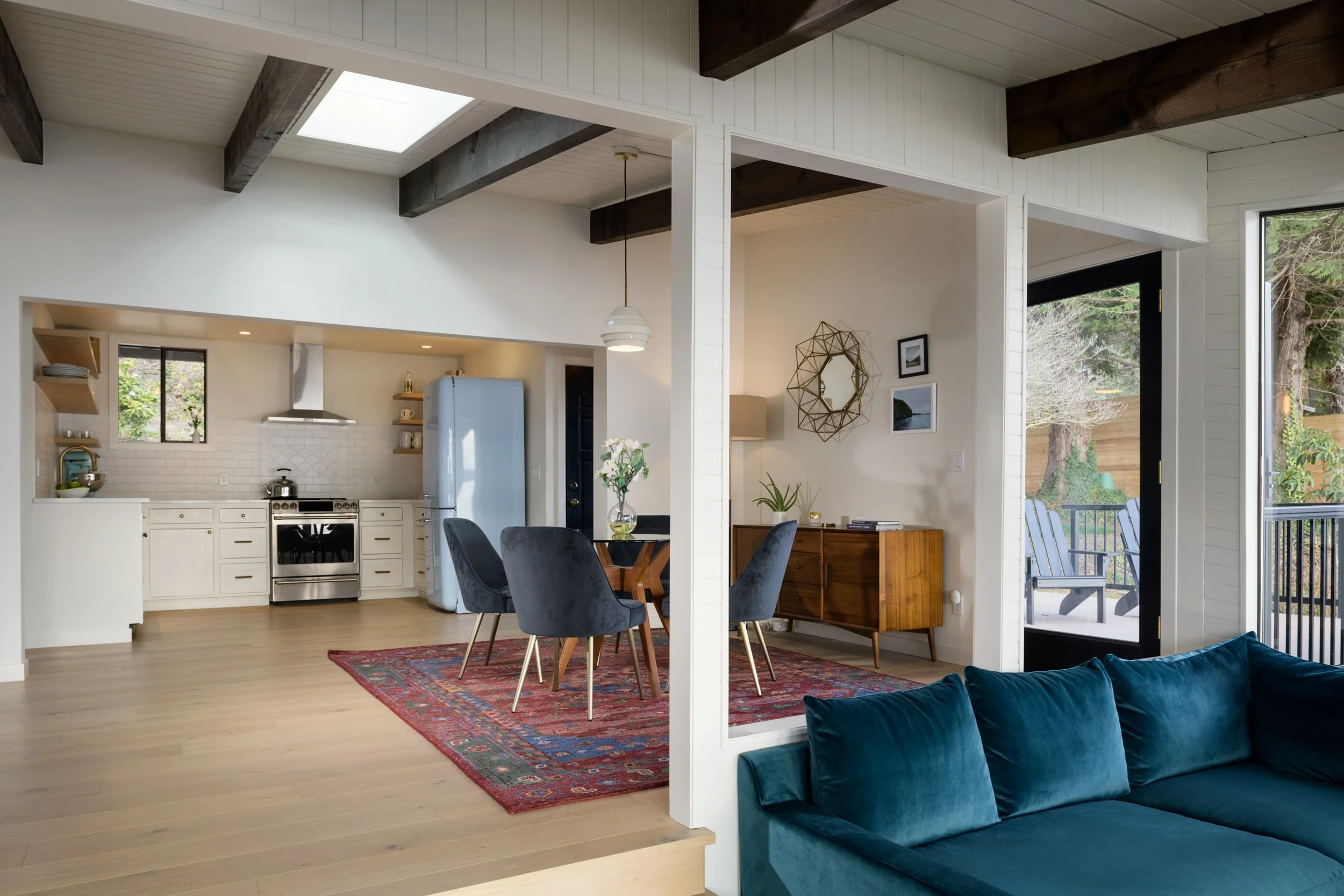
Clients often notice whether a space feels “bright” or “dark.” Designers look at why.
Natural light changes throughout the day and across seasons. A room that feels comfortable during an afternoon showing may overheat on summer evenings or lack functional daylight on winter mornings.
Designers evaluate:
Window orientation
Sun exposure
Privacy concerns
Glare conditions
Seasonal lighting shifts
These observations help shape decisions around window placement, material selection, shading, lighting design, and room function.
3. Structural Clues Hidden in Plain Sight
Homes often tell a story through subtle structural details.
Uneven floors, ceiling transitions, patched framing, unusual wall depths, or signs of previous renovations can reveal important information about how the structure was built or modified over time.
During a site visit, designers begin identifying:
Potential load-bearing walls
Framing limitations
Existing structural inconsistencies
Areas that may require engineering review
This early analysis helps prevent major surprises once demolition or construction begins.
4. Existing Mechanical and Utility Constraints
A floor plan may look simple on paper, but existing systems often determine what is realistically possible.
Designers evaluate where plumbing lines, HVAC systems, electrical panels, venting routes, and utility connections currently exist. These systems affect layout decisions far more than most homeowners realize.
Relocating a kitchen or bathroom, for example, may involve structural coordination, ventilation planning, plumbing rerouting, and electrical upgrades that are not immediately visible during a casual walkthrough.
Understanding those limitations early creates more accurate project planning.
5. How People Actually Move Through the Space
One of the most overlooked parts of residential design is circulation.
Designers pay attention to how people naturally move through a home, where bottlenecks occur, how rooms connect, and whether spaces function well for daily routines.
A layout can appear attractive in photos while still functioning poorly in real life.
During site visits, designers observe things like:
Narrow transition areas
Awkward room connections
Poor storage access
Traffic flow interruptions
Visibility between spaces
These details directly affect comfort and usability long after construction is complete.
6. Material Performance Risks
Not all materials perform equally in every environment.
During site visits, designers look for conditions that may affect durability, maintenance, and long-term performance. Moisture exposure, direct sunlight, temperature fluctuations, ventilation limitations, and existing wear patterns all help guide future material selections.
This is especially important in coastal and Pacific Northwest environments, where humidity and moisture can quickly affect improperly selected materials.
A finish that works well in one climate may fail prematurely in another.
Why Site Visits Matter in Residential Design
A site visit is not simply an introduction to the property. It is one of the most important investigative phases of the entire design process.
Good design decisions come from understanding how a home actually performs, not just how it looks in photographs or online inspiration boards.
By identifying structural conditions, environmental factors, circulation issues, and performance risks early, designers can create solutions that are more functional, more durable, and better aligned with the realities of construction.
The most successful projects usually begin with careful observation long before drawings are finalized.

Waldron Designs, LLC is passionate about designing spaces rooted in their context and responsive to the natural environment. Are you ready to create sustainable permanence with your home?
GET IN TOUCH!