
Why Complete Home Design Matters Before Construction
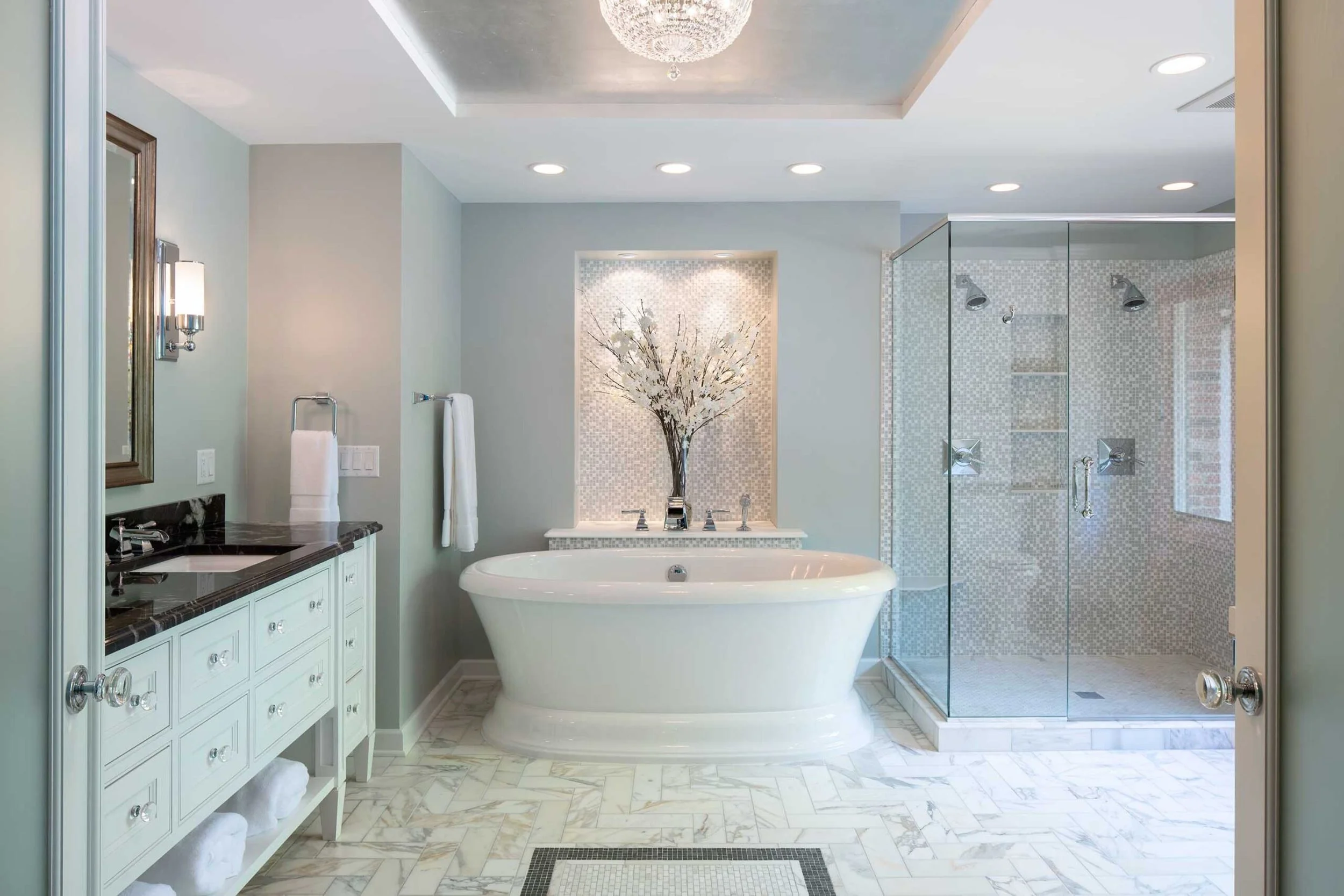
Many homeowners begin a project with a strong idea. They may have saved photos, sketched layouts, or imagined what they want their future home to feel like. Ideas are valuable because they create direction and excitement. They help define goals, style preferences, and the lifestyle needs a space should support.
But an idea is not the same as a complete design.
When it comes time to build, remodel, or expand a home, inspiration alone cannot answer the technical questions that determine whether a project succeeds. A complete home design provides the structure, documentation, and coordination needed to move from concept to construction with confidence.
What Is the Difference Between an Idea and a Complete Design?
An idea is the starting point. It may include broad goals such as:
Open the kitchen to the living room
Add more natural light
Create better indoor-outdoor flow
Build a larger primary suite
Modernize an outdated floor plan
These are important goals, but they are only the beginning.
A complete design takes those goals and develops them into a buildable plan. It includes the dimensions, layouts, structural planning, material coordination, code considerations, and detailed drawings required to bring the project to life.
This is where design shifts from imagination to execution.
Why Complete Design Is the Foundation of a Successful Project
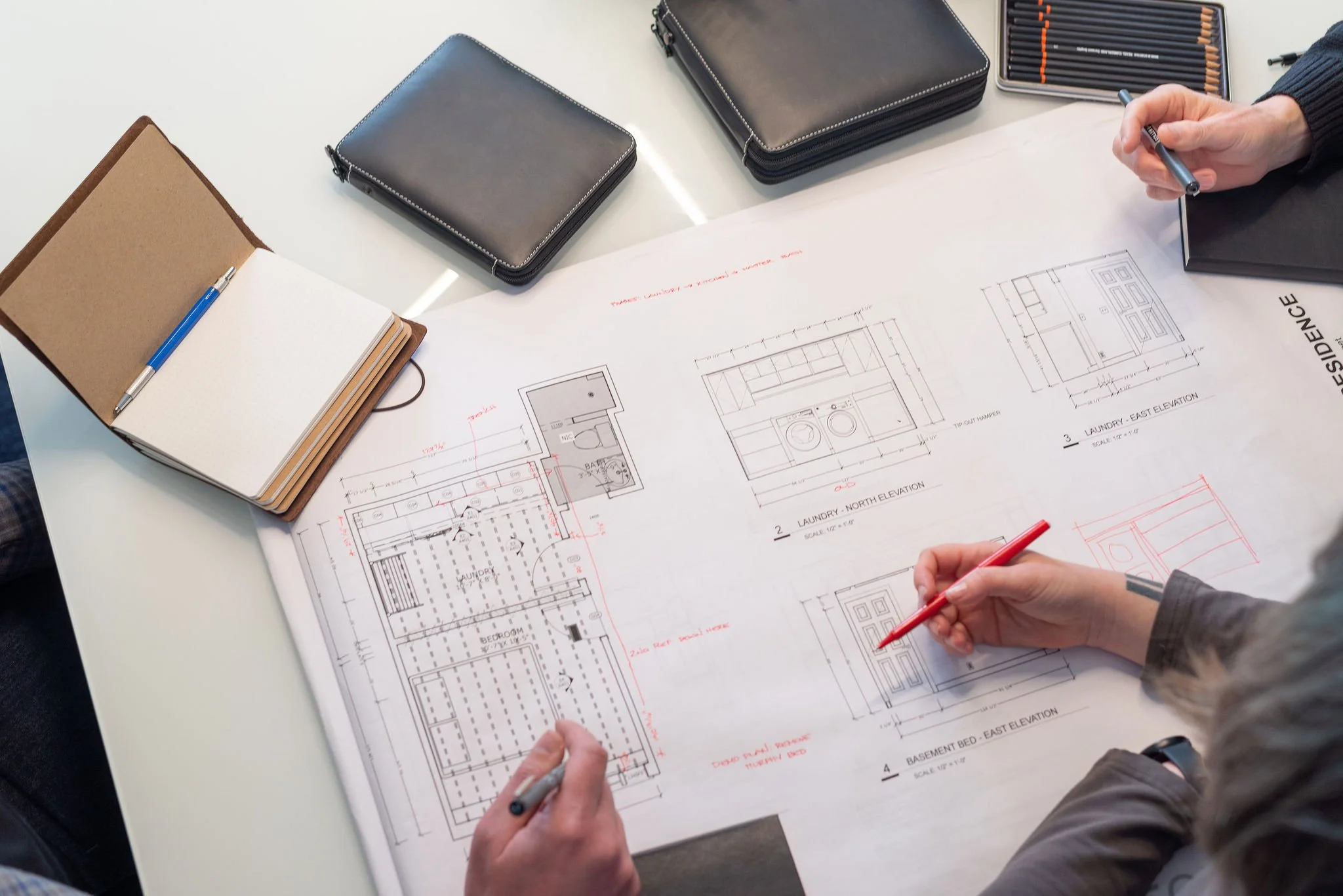
Before construction begins, every project needs a reliable roadmap. A complete design serves as that roadmap by helping homeowners, contractors, engineers, and permitting departments work from a clear, shared plan.
Without it, projects often face avoidable problems such as:
Budget overruns caused by late changes
Structural conflicts discovered during construction
Permit delays from incomplete documents
Miscommunication between trades
Material selections that do not fit the space
Layout decisions that fail in daily use
A thorough residential design process helps identify these issues early, when they are easier and less expensive to solve.
The Technical Details Matter
Beautiful spaces still need to function. A complete design addresses the behind-the-scenes details that determine long-term performance, including:
Structural Planning
If walls are removed, additions are built, or spans change, structural requirements must be addressed properly. Design coordination ensures the home is safe and construction-ready.
Space Planning
Rooms should not only look good on paper. They need to feel right in real life. Circulation, storage, furniture placement, and natural movement all matter.
Building Code and Permit Readiness
Local jurisdictions require accurate plans for review. Complete design documentation helps streamline approvals and reduce costly revisions.
Lighting and Comfort
Window placement, daylight access, privacy, and energy performance should be considered early, not as afterthoughts.
Material Performance
Finishes and materials need to work with the environment, budget, and the home's intended use.
Why Homeowners Benefit From Complete Design
Investing in design before construction often saves money later. It reduces guesswork, supports accurate pricing, and creates a smoother experience from start to finish.
Homeowners typically gain:
Better budgeting through clearer scope
Fewer surprises during construction
Faster decisions during the build process
Higher confidence in the final result
A home designed for how they actually live
Idea First, Design Second, Build Third
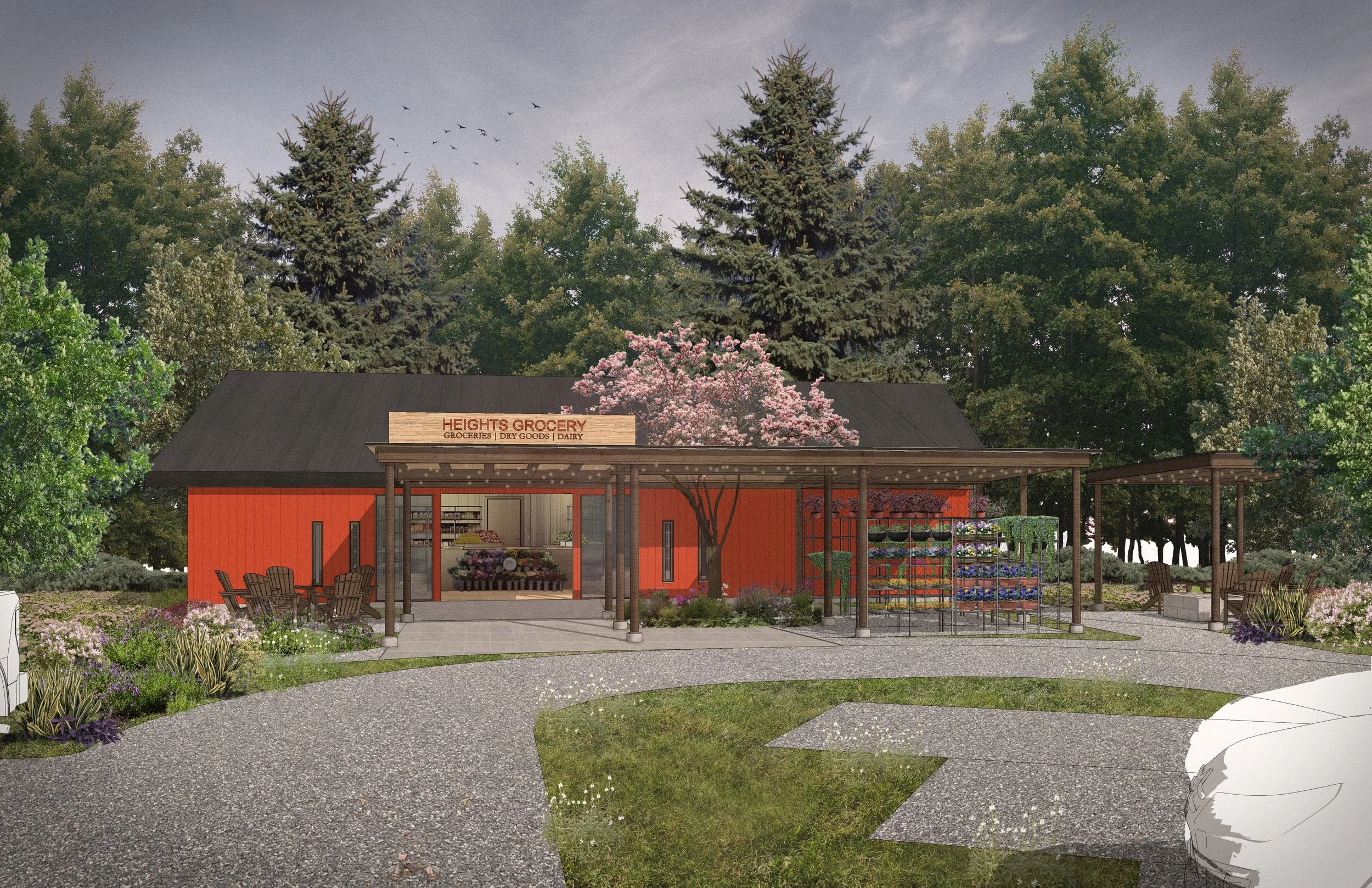
The strongest projects usually follow a clear order:
Idea – Define goals, needs, and inspiration
Complete Design – Resolve layout, structure, systems, and details
Construction – Build from a coordinated plan
Skipping the design phase often creates stress later. Taking time to solve the project on paper first is one of the smartest decisions a homeowner can make.
Start With More Than Inspiration
Photos and ideas are helpful, but they are only the beginning. If you are planning a remodel, custom home, or addition, complete design is what transforms vision into something real, functional, and ready to build.
A strong design is not an extra step. It is the foundation on which everything else depends.

Waldron Designs, LLC is passionate about designing spaces rooted in their context and responsive to the natural environment. Are you ready to create sustainable permanence with your home?
GET IN TOUCH!