
How Passive House Design Works in the Pacific Northwest
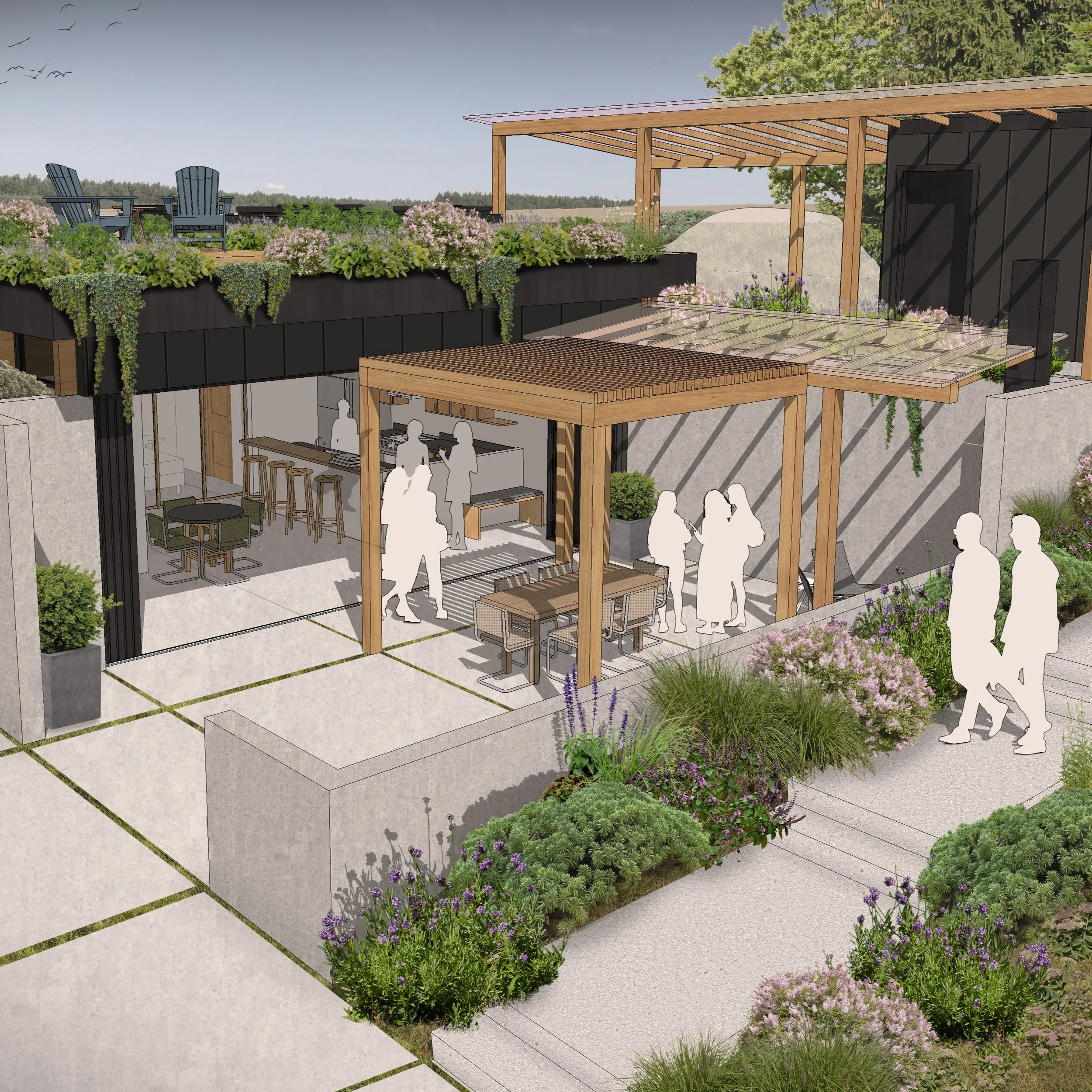
What Is Passive House Design?
Passive House design is a building standard focused on energy efficiency, airtight construction, and consistent indoor comfort. Homes built using these principles can reduce heating and cooling demand by up to 90 percent compared to conventional construction.
The goal is not complexity. It is control. Control of temperature, air quality, and long-term performance.
Why Passive House Design Works in the Pacific Northwest
The Pacific Northwest presents a specific set of conditions:
Long damp seasons
Limited winter sunlight
Increasing summer heat
High moisture exposure
Most homes are not designed to handle all four at once.
Passive House design solves for this by focusing on the building envelope first, not mechanical systems. That shift is what makes it effective in this region.
The Five Principles of Passive House Design
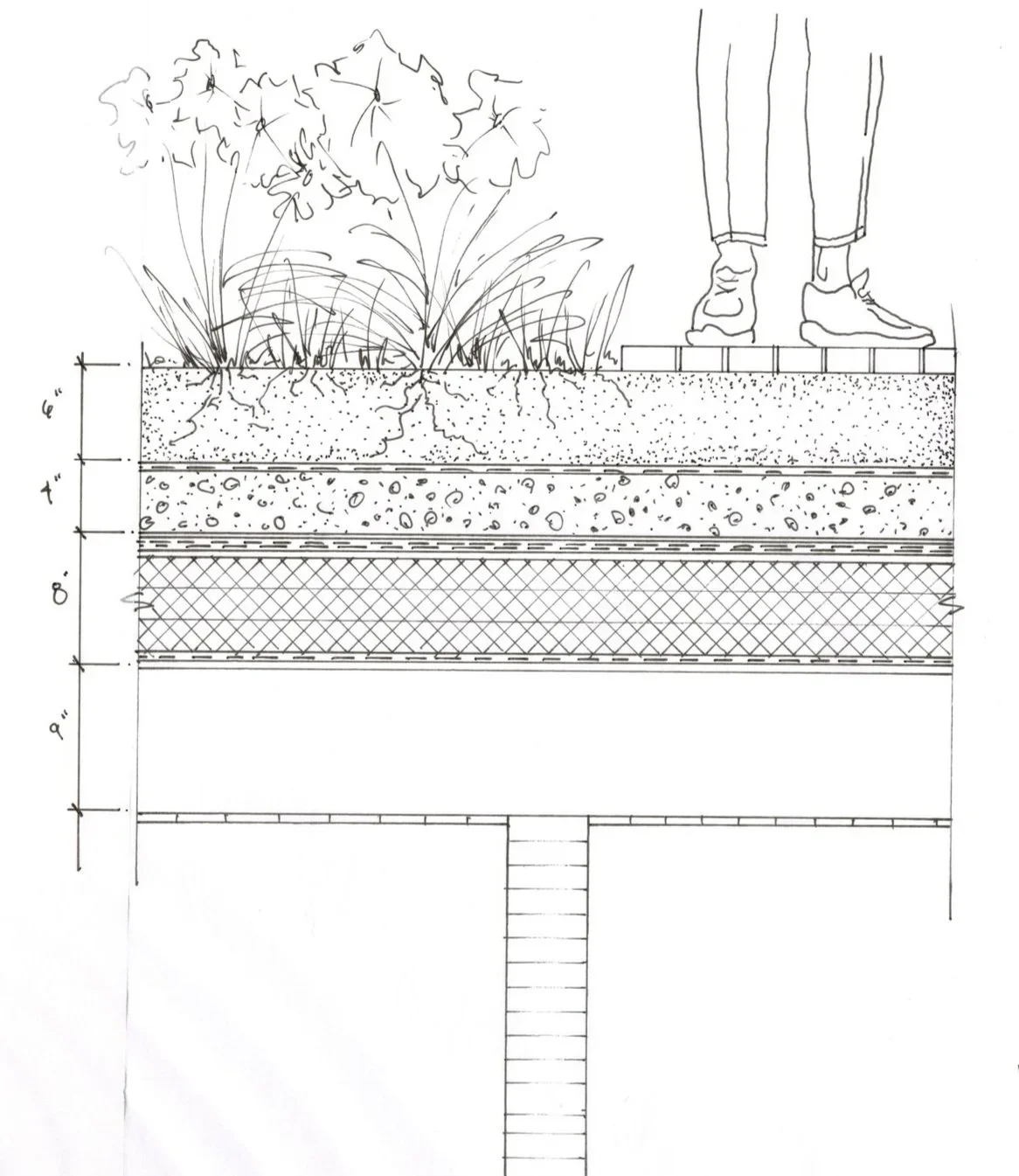
A green roof design we developed enhances insulation while allowing additional outdoor space.
1. Continuous Insulation: A high-performance thermal envelope minimizes heat transfer. This keeps interiors stable regardless of outdoor conditions.
2. Airtight Construction: Air leaks are one of the biggest causes of energy loss and moisture problems. Airtight construction eliminates uncontrolled airflow and protects the structure.
3. High-Performance Windows: Windows are designed to insulate and manage solar gain. Proper placement and glazing reduce overheating and improve daylighting.
4. Heat Recovery Ventilation (HRV/ERV): Fresh air is introduced continuously while capturing heat from outgoing air. This maintains indoor air quality without sacrificing efficiency.
5. Thermal Bridge-Free Design: Thermal bridges create weak points where heat escapes and condensation forms. Eliminating them ensures consistent temperatures and reduces risk of damage.
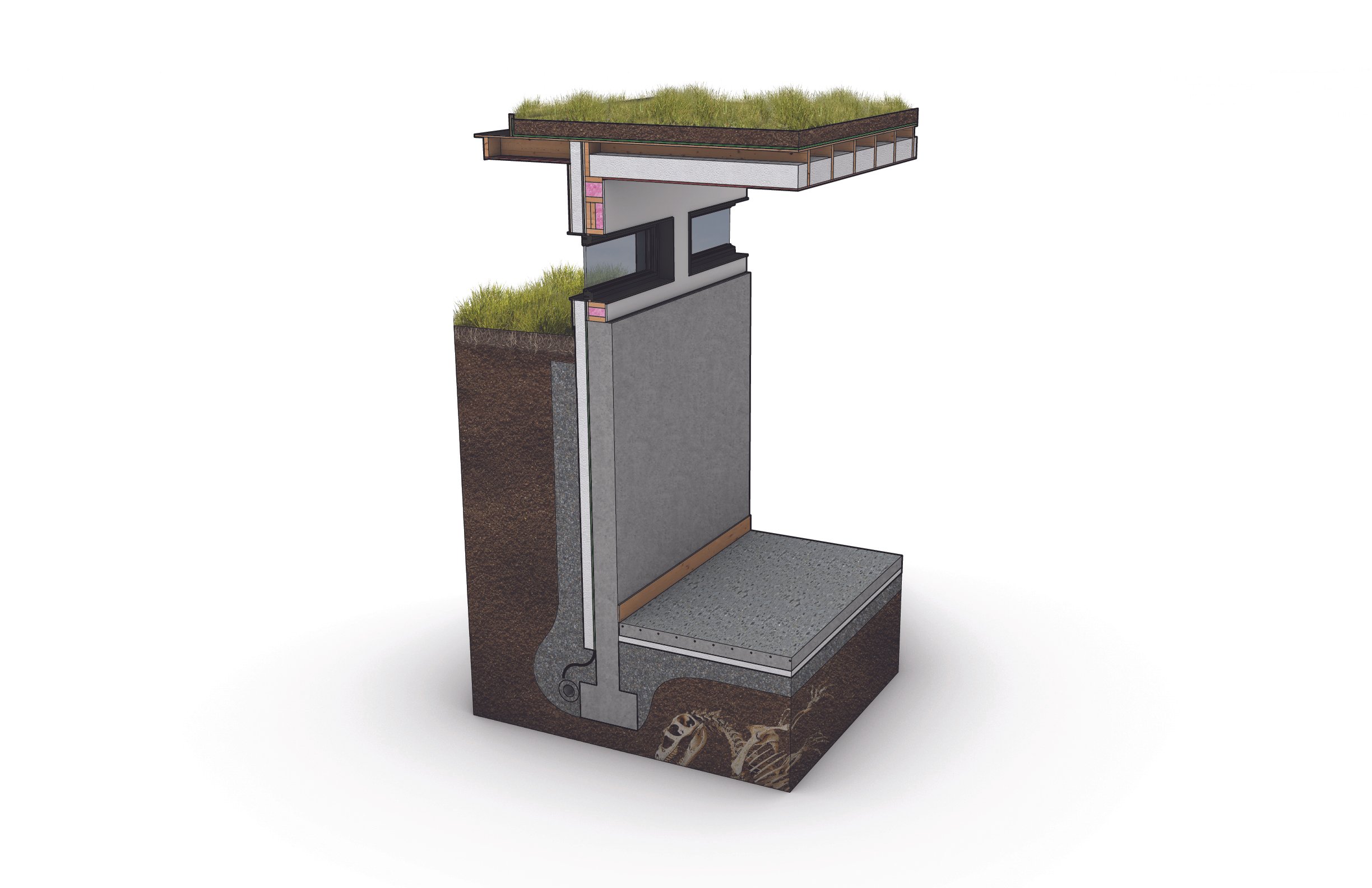
A layered wall and roof assembly designed to manage moisture, maintain insulation continuity, and perform long-term in a damp climate.
Climate-Specific Strategies for the Pacific Northwest
Passive House design is not one-size-fits-all. In the Pacific Northwest, performance depends on how these principles are applied.
Moisture control comes first. Airtight assemblies paired with controlled ventilation prevent moisture from entering walls and causing mold or rot.
Daylighting must be intentional. Cloud cover limits natural light for much of the year. Window placement and glazing selection need to maximize available daylight without increasing heat loss.
Overheating is a growing risk. Warmer summers require shading strategies, proper orientation, and glazing that limits excessive solar gain.
Ventilation is non-negotiable. Balanced ventilation systems regulate humidity and maintain consistent indoor air quality year-round.
Benefits of Passive House Design
Lower Energy Use
Reduced dependence on heating and cooling systems leads to measurable long-term savings.
Consistent Indoor Comfort
No temperature swings between rooms or throughout the day.
Improved Indoor Air Quality
Filtered, balanced ventilation reduces pollutants, allergens, and excess humidity.
Quiet Living Environment
High-performance walls and windows reduce exterior noise.
Long-Term Durability
Better moisture control and construction methods extend the life of the home.
Passive House vs Conventional Construction
Most conventional homes rely on mechanical systems to fix performance issues after the fact.
Passive House design avoids those issues from the start.
Conventional: Heat and cool the problem
Passive House: Eliminate the problem
That difference impacts energy use, comfort, and maintenance over the life of the home.
Applying Passive House Principles Without Certification
Certification is not required to benefit from Passive House design. Most projects can improve performance by focusing on:
Insulation levels and continuity
Air sealing strategy
Window performance and placement
Ventilation system design
These decisions have a greater impact than finish selections or late-stage upgrades.
Planning a Passive House-Inspired Home
Start early. Performance is defined during design, not construction.
Focus on:
Building envelope first
Site orientation and solar exposure
Window placement and shading
Ventilation strategy
Mechanical systems should support the design, not compensate for it.
FAQ: Passive House Design in the Pacific Northwest
What is Passive House design?
A building standard that reduces energy use while improving comfort, air quality, and durability through high-performance construction.
Does Passive House work in the Pacific Northwest climate?
Yes. It is particularly effective due to its ability to manage moisture, control indoor air quality, and maintain stable temperatures in mild but damp conditions.
Is Passive House more expensive to build?
Initial costs can be higher due to better materials and detailing. Long-term energy savings and durability offset these costs.
Do I need certification to use Passive House principles?
No. Many projects apply the principles without pursuing certification and still achieve significant performance improvements.
How does Passive House improve indoor air quality?
Through continuous, filtered ventilation systems that remove pollutants and regulate humidity.
Can Passive House prevent mold in the Pacific Northwest?
It significantly reduces risk by controlling moisture through airtight construction and balanced ventilation.

Waldron Designs, LLC is passionate about designing spaces rooted in their context and responsive to the natural environment. Are you ready to create sustainable permanence with your home?
GET IN TOUCH!