
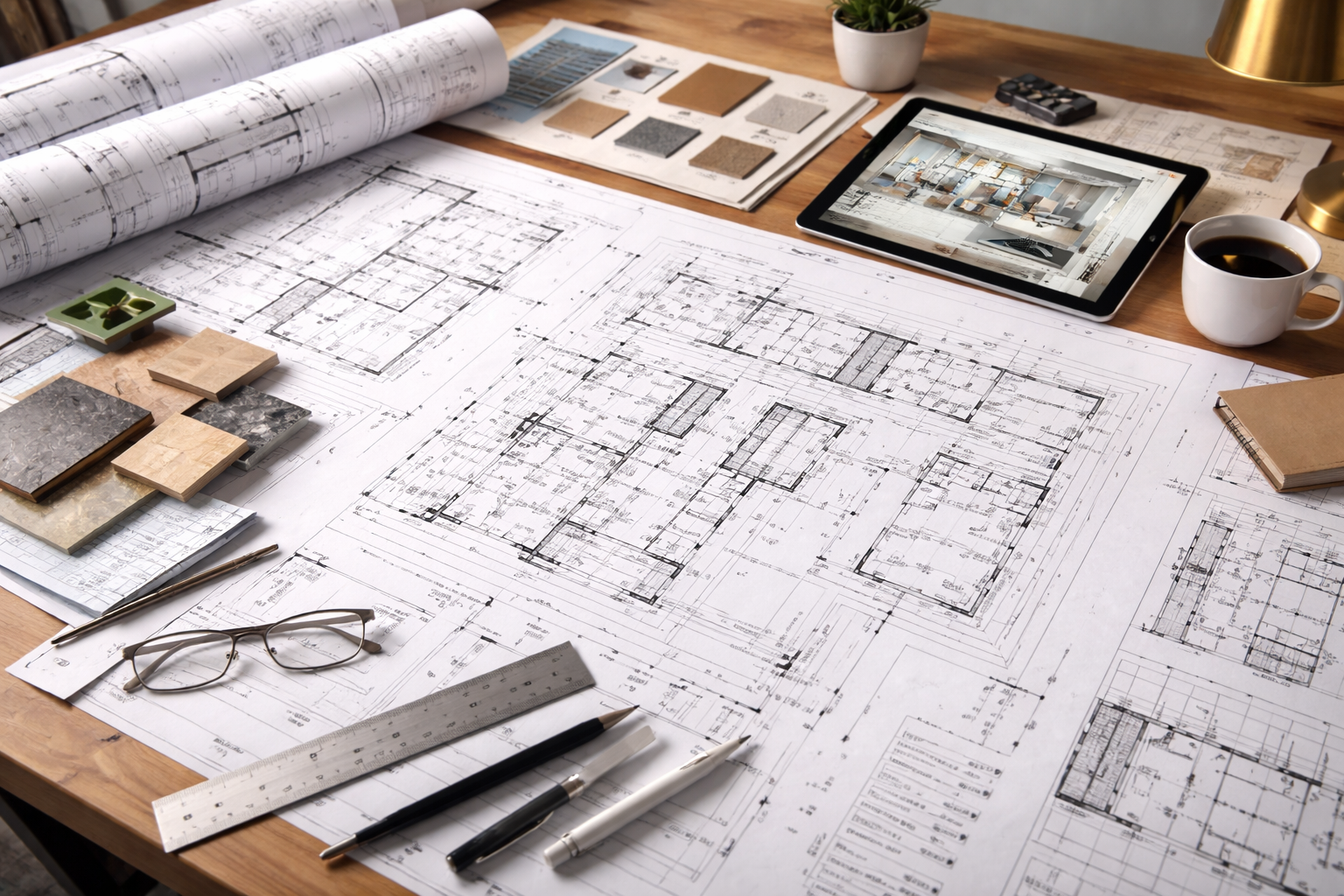
What Is Complete Design in Residential Architecture?
Most people think a floor plan is the design. It’s not.
A floor plan shows layout. It tells you where rooms sit and how they connect. It doesn’t show how the space will function, how materials come together, or how the project will actually be built. Even when paired with renderings or inspiration images, the design is still incomplete.
Complete design is what closes that gap.
What “Complete Design” Actually Means in Home Design
Complete design means the space has been thought through, resolved, and documented before construction begins.
It answers the questions that usually surface too late. Where switches go and what they control. How materials meet at every transition. Where outlets, fixtures, and hardware are placed. How ceilings align with walls. How millwork fits into the structure.
These decisions are not left to interpretation. They are drawn, dimensioned, and coordinated across the full set of plans.
What Is Included in a Complete Design Plan
A complete design moves beyond layout and appearance. It defines how the space is built and how it will perform over time.
It starts with a plan that reflects real use. Circulation, clearances, and furniture layouts are grounded in how people actually live in the space. From there, the design is developed in layers.
Walls, ceilings, and floors are detailed so they can be constructed without guesswork. Interior elevations show how surfaces meet and how proportions are maintained across the room.
Lighting and electrical planning is intentional. Fixtures are placed where they support function. Switches are located where they make sense in daily use. Outlets are positioned based on how the space will be used, not based on a default pattern.
Millwork is fully designed. Cabinetry, built-ins, and storage are dimensioned and aligned. Hardware placement is consistent. These elements are coordinated with lighting, structure, and surrounding materials so nothing feels disconnected.
Material transitions are resolved early. Flooring meets tile. Tile meets wall. Edges and terminations are defined before construction begins, which avoids last-minute decisions in the field.
Key Elements of Complete Design in Residential Architecture
A complete design is defined by how well each layer is resolved and coordinated.
Detailed floor plans that reflect real use and circulation
Interior elevations that show how walls, finishes, and proportions come together
Lighting and electrical plans with intentional fixture and switch placement
Millwork drawings that define cabinetry, built-ins, and hardware alignment
Material specifications that clarify transitions, edges, and durability
Every one of these elements works together. If one is missing, it will show up later during construction.
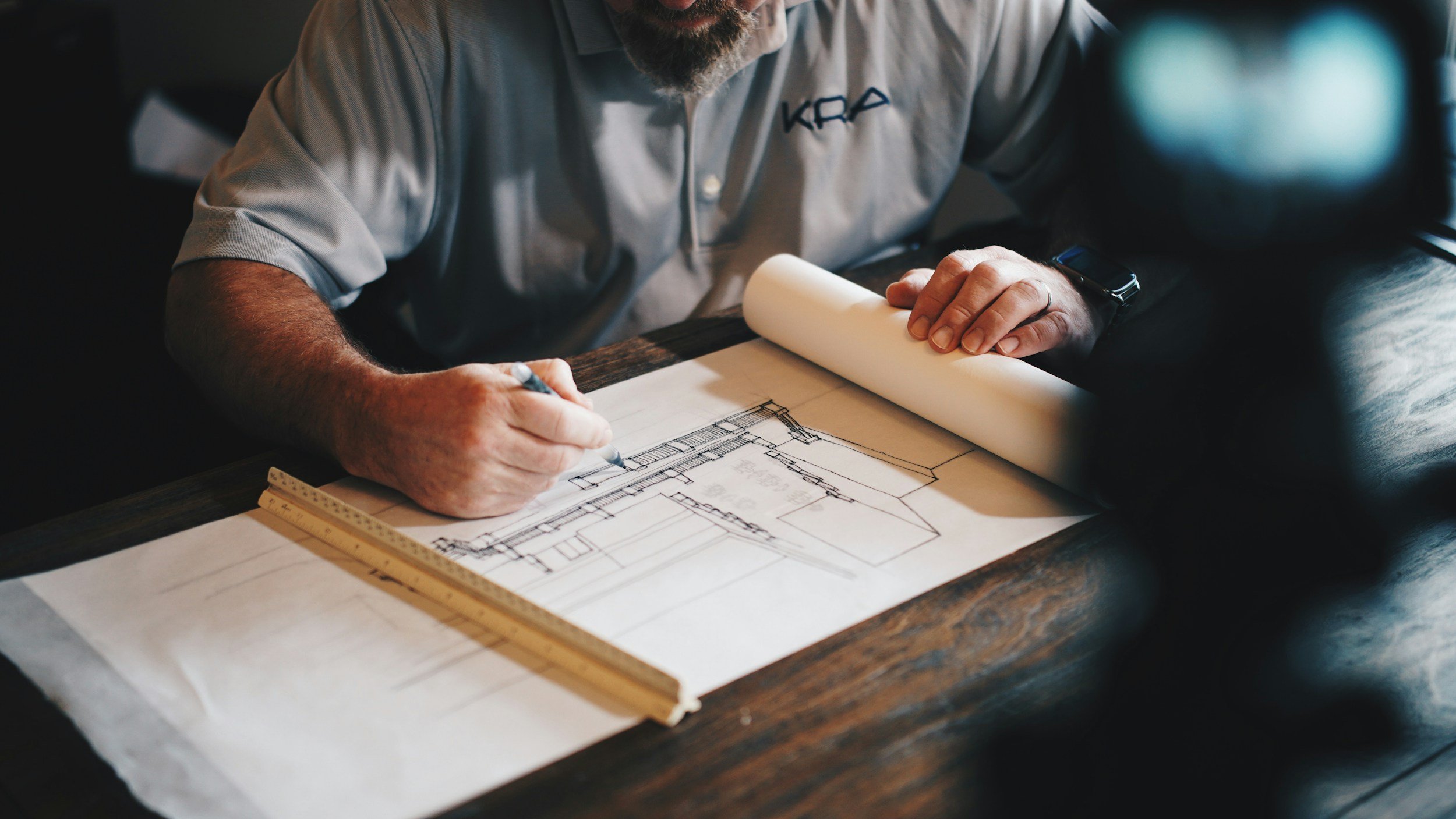
Photo Credit: Daniel McCullough
Why a Floor Plan Alone Is Not Enough
A floor plan gives you structure. It does not give you execution.
Without a complete design, contractors are left to make decisions during construction. That creates inconsistencies. Materials may not align. Lighting and power may not support how the space is used. Small gaps in planning lead to delays and added costs.
This is where projects start to drift.
How Complete Design Supports Permitting and Construction
Permits are based on documentation. They require clarity.
A permit set needs to show code compliance, structural intent, and life-safety considerations. That only works when the design is already well developed.
Plans, sections, elevations, and details all need to align. They need to communicate how the project will be built without relying on assumptions. By the time drawings are submitted, most decisions should already be made.
The Risk of Skipping Complete Design
When design is incomplete, construction becomes the place where decisions get made. That is the most expensive time to figure things out.
Changes happen in real time. Costs increase. Timelines stretch. The final result often reflects compromise instead of intention.
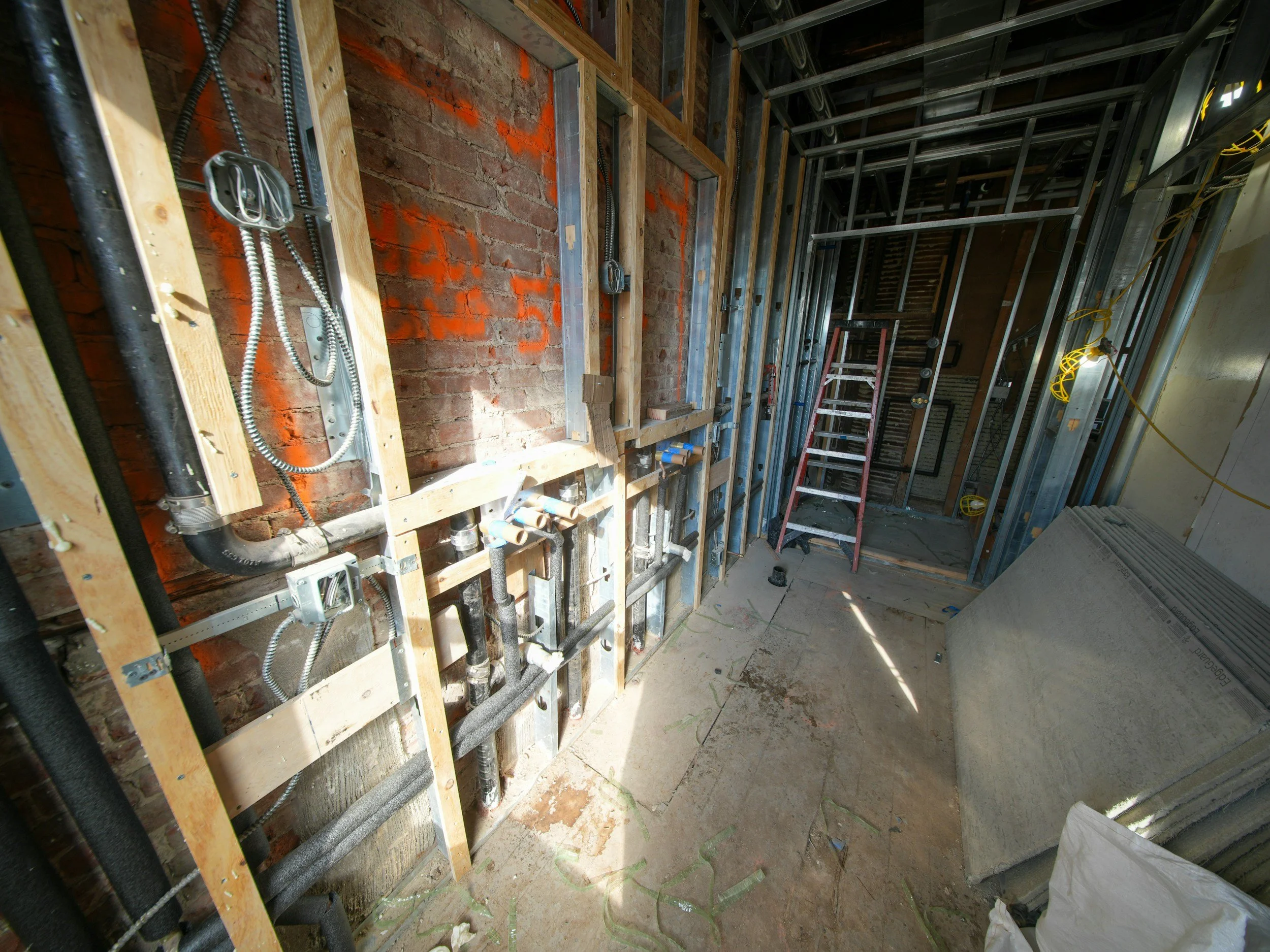
Photo Credit: Olek Buzunov
What a Complete Design Package Includes
In practice, complete design is delivered through a coordinated set of drawings that guide the build from start to finish.
Dimensioned floor plans that define layout and clearances
Interior elevations that show how each space is constructed
Lighting and electrical plans that coordinate fixtures, switches, and outlets
Millwork drawings that detail cabinetry, built-ins, and hardware placement
Material specifications and construction details that remove ambiguity
Each drawing answers a specific question. Together, they remove uncertainty.
Why Complete Design Leads to Better Project Outcomes
When the design is resolved before construction begins, the process runs more smoothly.
Fewer decisions need to be made in the field. Costs are easier to manage. The final result reflects the original intent.
Construction becomes a matter of execution, not correction.
Final Takeaway
Complete design is the work that makes everything else possible.
Before moving forward, review your drawings.
Confirm that lighting and electrical plans are included. Check that material transitions are defined. Look for detailed millwork drawings. Verify that fixture and hardware placement is documented.
If any of these are missing, pause and have the design completed before construction begins.

Waldron Designs, LLC is passionate about designing spaces rooted in their context and responsive to the natural environment. Are you ready to create sustainable permanence with your home?
GET IN TOUCH!