
Thermal Comfort Design for Homes in the Pacific Northwest
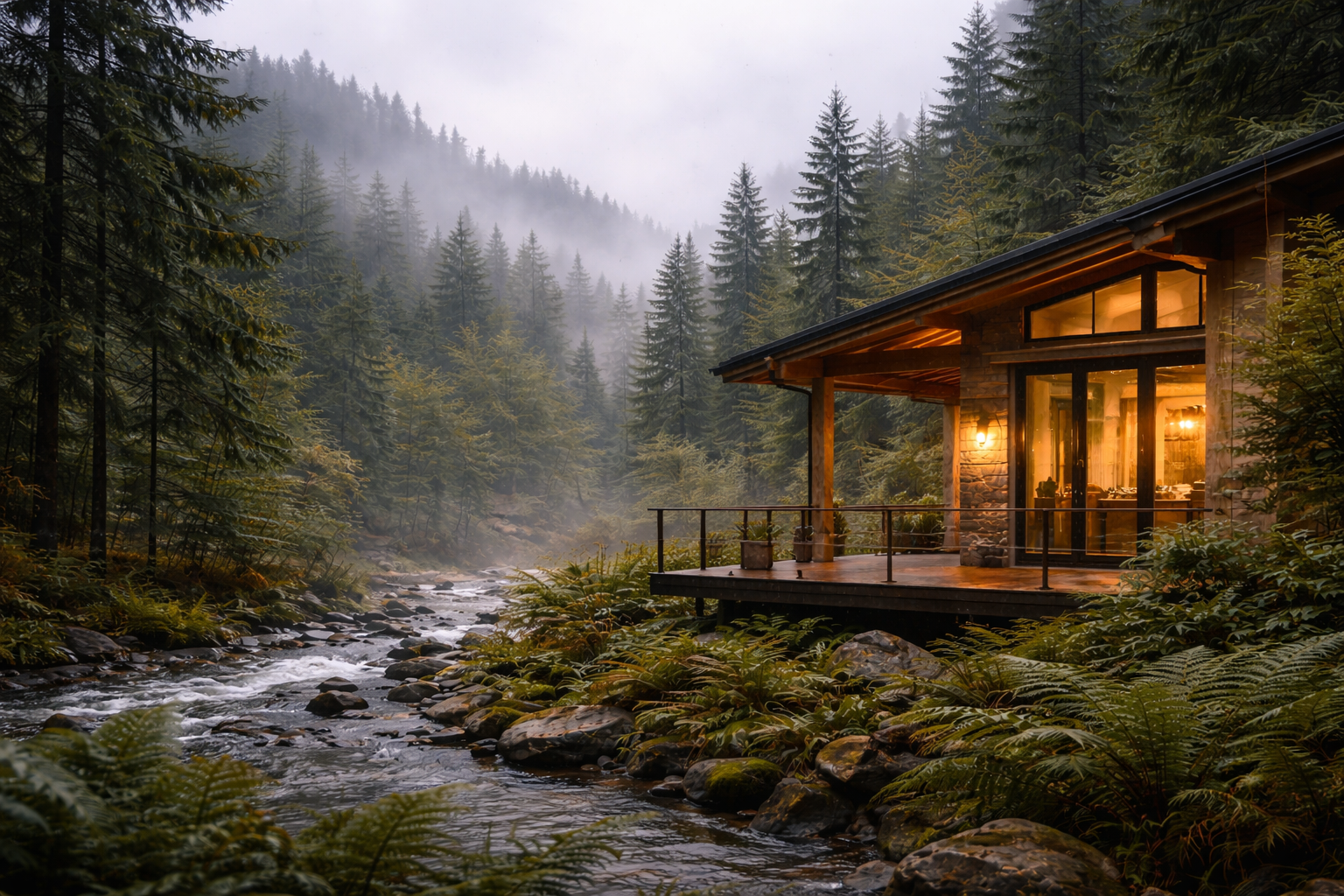
Thermal comfort refers to how consistently warm, stable, and draft-free a home feels throughout the year. In the Pacific Northwest, where winters are long, damp, and low-light rather than extreme, thermal comfort depends less on high-output heating and more on thoughtful design. The most comfortable homes in this region rely on daylighting, radiant heating strategies, and high-performance building envelopes working together as a system.
This is where energy efficiency stops being an abstract goal and becomes a lived experience.
Why Thermal Comfort Matters in the Pacific Northwest
The Pacific Northwest is often misunderstood as a single climate. In reality, it spans coastal rainforests, urban lowlands, foothills, and high-desert plateaus. What these areas share is persistence, months of cool temperatures, limited winter sun, and moisture that seeps into poorly designed buildings.
A home can meet energy code and still feel cold. That disconnect usually comes from treating thermal comfort as a mechanical problem rather than a design problem.
True thermal comfort in the PNW requires:
Stable interior temperatures
Minimal drafts and cold surfaces
Controlled humidity
Reduced reliance on constant mechanical cycling
What Thermal Comfort Means in Residential Design
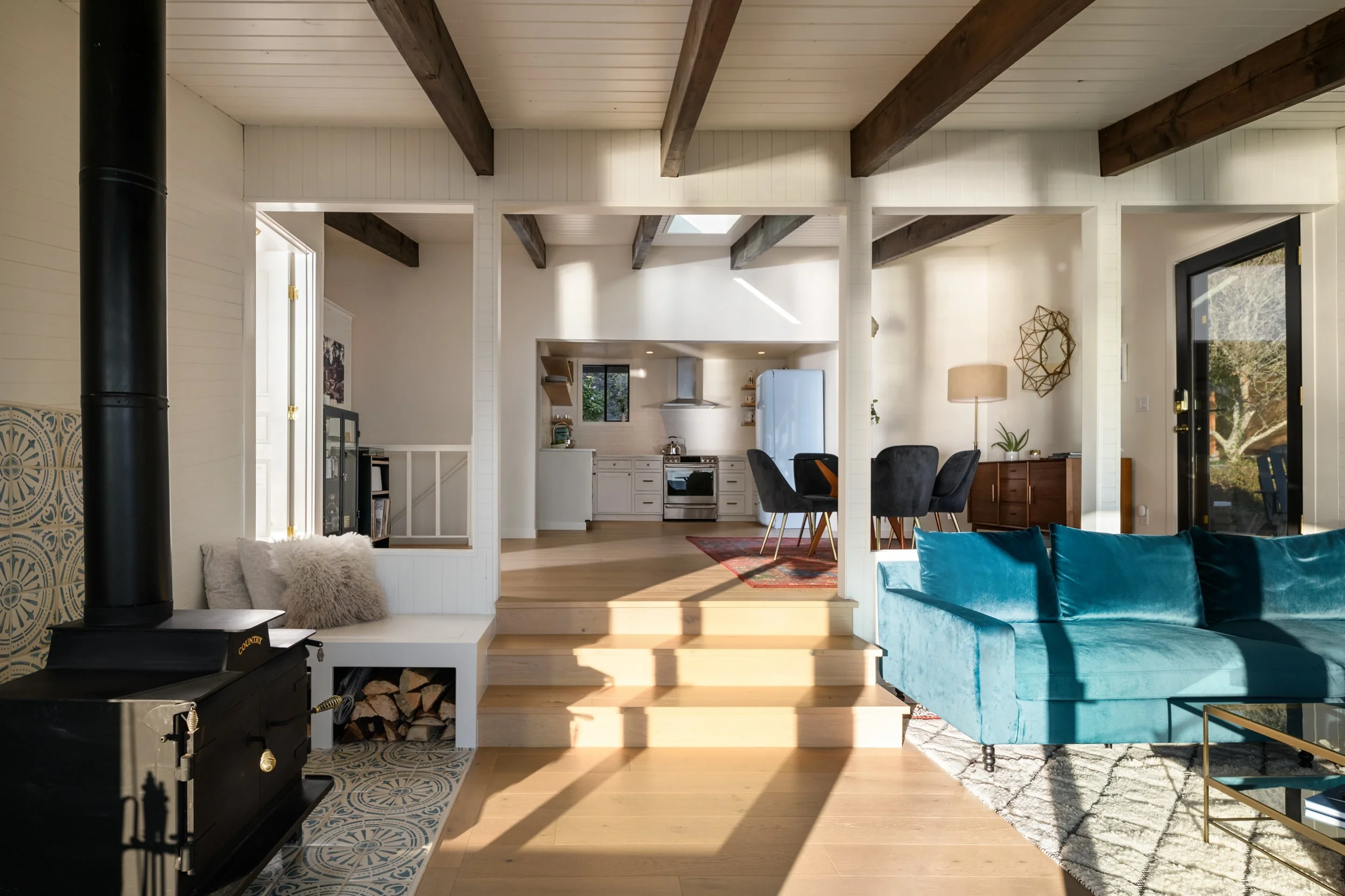
Thermal comfort is not just about air temperature. It is influenced by several overlapping factors:
Radiant temperature, how warm surrounding surfaces feel
Air movement, including drafts and pressure imbalances
Humidity control, critical in damp climates
Thermal stability, how slowly or quickly a space gains and loses heat
A room with cold walls and floors will feel uncomfortable even if the thermostat says otherwise. Designing for thermal comfort means addressing the surfaces, not just the air.
Three Design Strategies That Improve Thermal Comfort
1. Daylighting as a Passive Heating Strategy
Winter daylight is limited in the Pacific Northwest, which makes it valuable both visually and thermally. We design homes to capture and distribute as much natural light as possible through:
Clerestory windows and skylights
Raised window head heights
Light shelves and reflective ceiling surfaces
Sunlight warms interior surfaces, increasing radiant temperature and reducing the need for higher air temperatures. Spaces with good daylighting feel warmer, brighter, and more stable throughout the day.
2. Radiant Heating and Energy-Efficient Systems
Heat pumps are widely used in energy-efficient home design for good reason. They are adaptable, efficient, and well-suited to the PNW climate. Thermal comfort improves significantly when heat pumps are paired with hydronic radiant floor systems.
Radiant floors warm people and surfaces directly, rather than heating air that immediately rises and escapes. The result is even heat distribution, fewer temperature swings, and quieter operation.
When combined with good solar orientation, radiant slabs can function as a thermal battery, absorbing heat during daylight hours and releasing it slowly. This reduces energy demand while improving comfort.
3. A High-Performance Building Envelope
A tight building envelope is the foundation of thermal comfort. Walls, roofs, windows, doors, and transitions must work together to limit heat loss, control moisture, and prevent drafts.
Key components include:
Continuous insulation
High-performance windows and doors
Careful air sealing and detailing
Without a well-designed envelope, no heating system can perform effectively. With one, systems can be smaller, quieter, and more efficient.
Windows and Thermal Comfort in the PNW
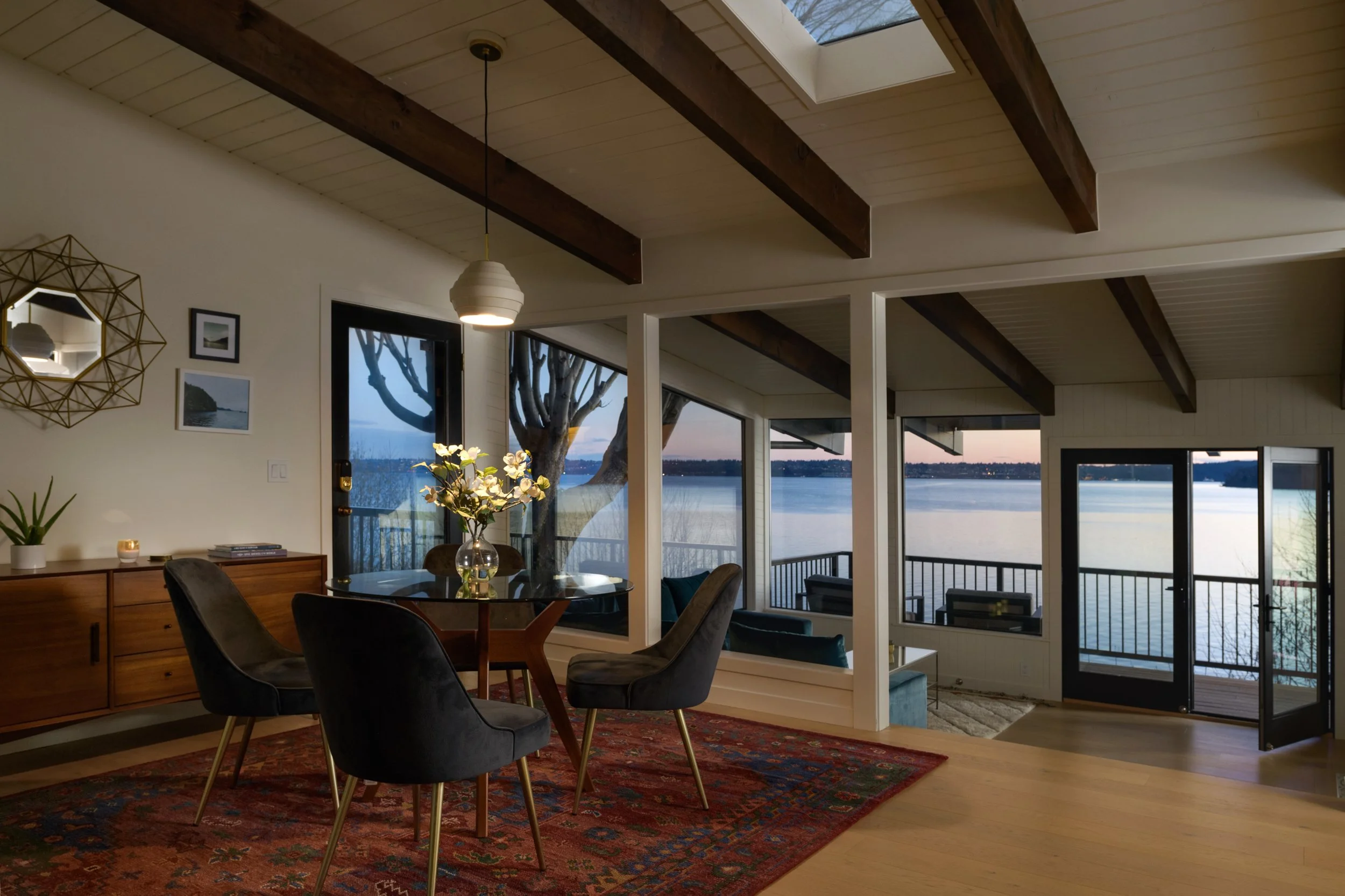
Windows are one of the most important contributors to both comfort and experience. We evaluate window performance using:
U-values, lower values mean better insulation
Solar heat gain coefficient, controlling seasonal heat gain
Air leakage ratings, minimizing drafts
Performance tradeoffs matter. Some coatings that reduce heat gain can also reduce visual clarity and daylight quality. Our goal is balance, ensuring comfort without compromising views or connection to the outdoors.
Window placement is equally critical. South-facing glazing can provide winter heat, while roof overhangs and shading elements block high summer sun and admit low winter sun. This is passive design working with the seasons.
LEED and Thermal Comfort: Using Certification as a Framework
LEED and similar programs, including Living Building Challenge and Passivhaus, address thermal comfort as part of a broader performance strategy. Not every project needs to pursue full certification to benefit from these frameworks.
Reviewing a design through a LEED or Living Future lens adds structure and accountability. Clients can prioritize comfort, energy efficiency, and health without chasing every credit. In many cases, the goals of good design already align with these standards.
Designing for Year-Round Thermal Comfort
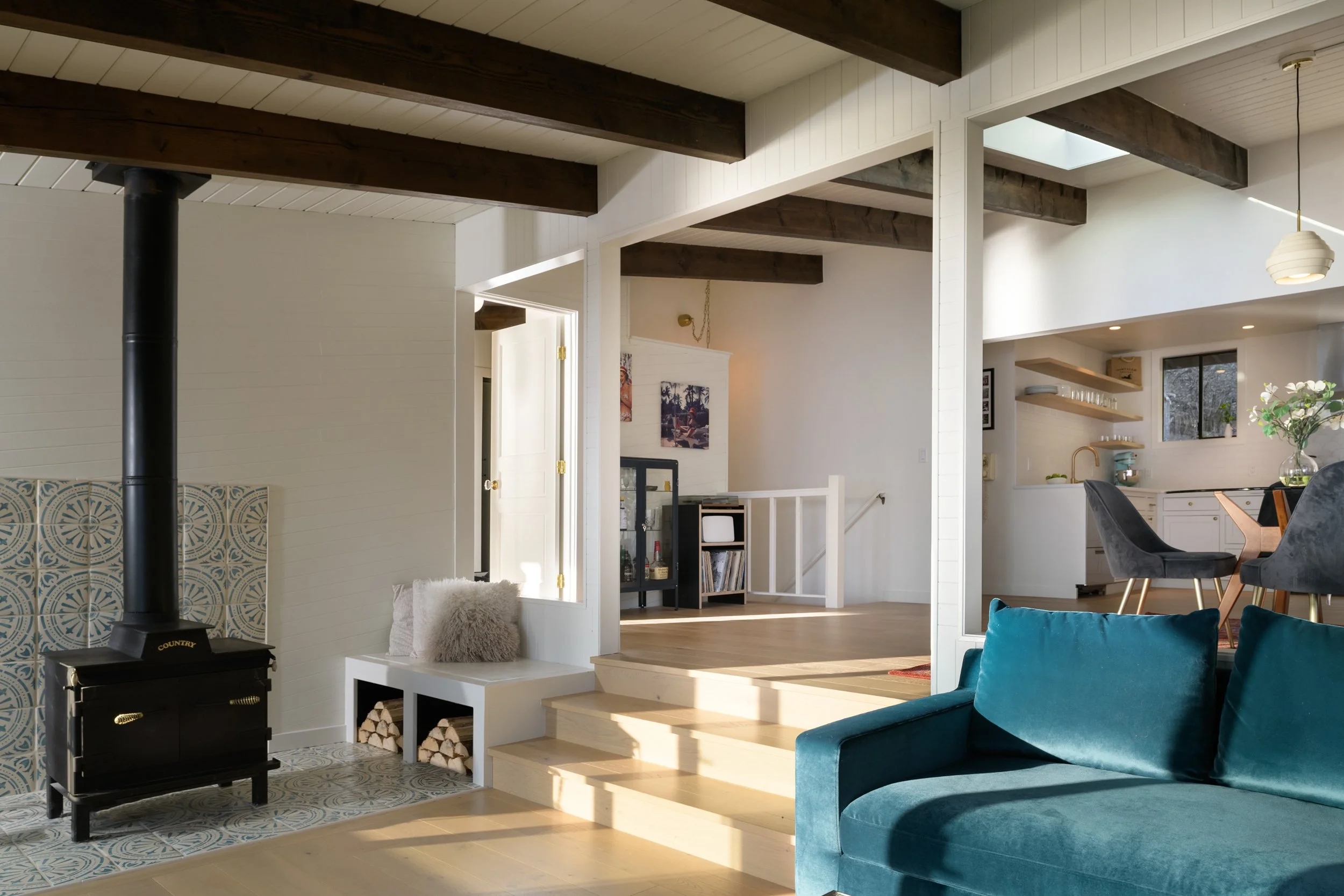
Thermal comfort is not seasonal. Wall and roof assemblies must keep heat inside during winter and outside during summer. Building geometry also plays a role.
Roof overhangs, window placement, and orientation can provide natural summer shading while allowing winter sun to penetrate deeply into the home. These passive strategies reduce energy use and improve comfort without adding complexity.
Working With the Climate, Not Against It
Thermal comfort design in the Pacific Northwest is about collaboration with the climate. When daylighting, radiant heating, envelope performance, and geometry are aligned, homes feel calm, consistent, and comfortable throughout the year.
If a home performs well in January, it will perform well year-round.
Ready to Improve Your Home's Thermal Comfort?
If you are planning a renovation or new build and want to improve energy efficiency and comfort, schedule a consultation with Waldron Designs. We evaluate how your home performs today and identify design-led strategies that deliver meaningful, lasting comfort.

Waldron Designs, LLC is passionate about designing spaces rooted in their context and responsive to the natural environment. Are you ready to create sustainable permanence with your home?
GET IN TOUCH!