
Seasonal Design and Mental Health: Architecture That Supports Year-Round Wellness
Modern architecture and interior design are increasingly shaped by one reality: people spend most of their lives indoors. The quality of those environments has measurable effects on mood, energy levels, and mental health.
Seasonal design responds to this challenge. Instead of treating a home as a static object, seasonal design acknowledges that human needs shift throughout the year. Light changes. Weather changes. Daily routines change. Design that adapts to those conditions can support emotional well-being and reduce seasonal stress.
For homeowners in northern climates, or regions with long rainy seasons like the Pacific Northwest, thoughtful seasonal design can make the difference between a space that drains energy and one that restores it.
This article explores how architects and designers use seasonal design strategies to support mental health through daylight, material choices, spatial planning, and connection to nature.
Why Seasonal Design Matters for Mental Health

Photo Credit: Austin Guevara
Mental health is influenced by environmental conditions more than many people realize. Research in environmental psychology shows that lighting, spatial comfort, and natural connection directly influence cognitive performance and emotional stability.
Seasonal shifts can amplify these effects.
Common seasonal stressors include:
Reduced daylight in winter
Long periods of indoor living
Lack of natural stimulation
Monotony in interior environments
When homes are not designed to respond to these conditions, occupants often experience fatigue, irritability, and reduced focus.
Seasonal design addresses these issues by treating the home as a dynamic environment that changes with climate and daylight cycles.
Designers approach this through:
strategic daylight planning
layered lighting systems
seasonal material comfort
adaptable spatial use
The goal is simple. Create a space that supports how people actually live across the year.
Light, Daylight, and Mood Regulation
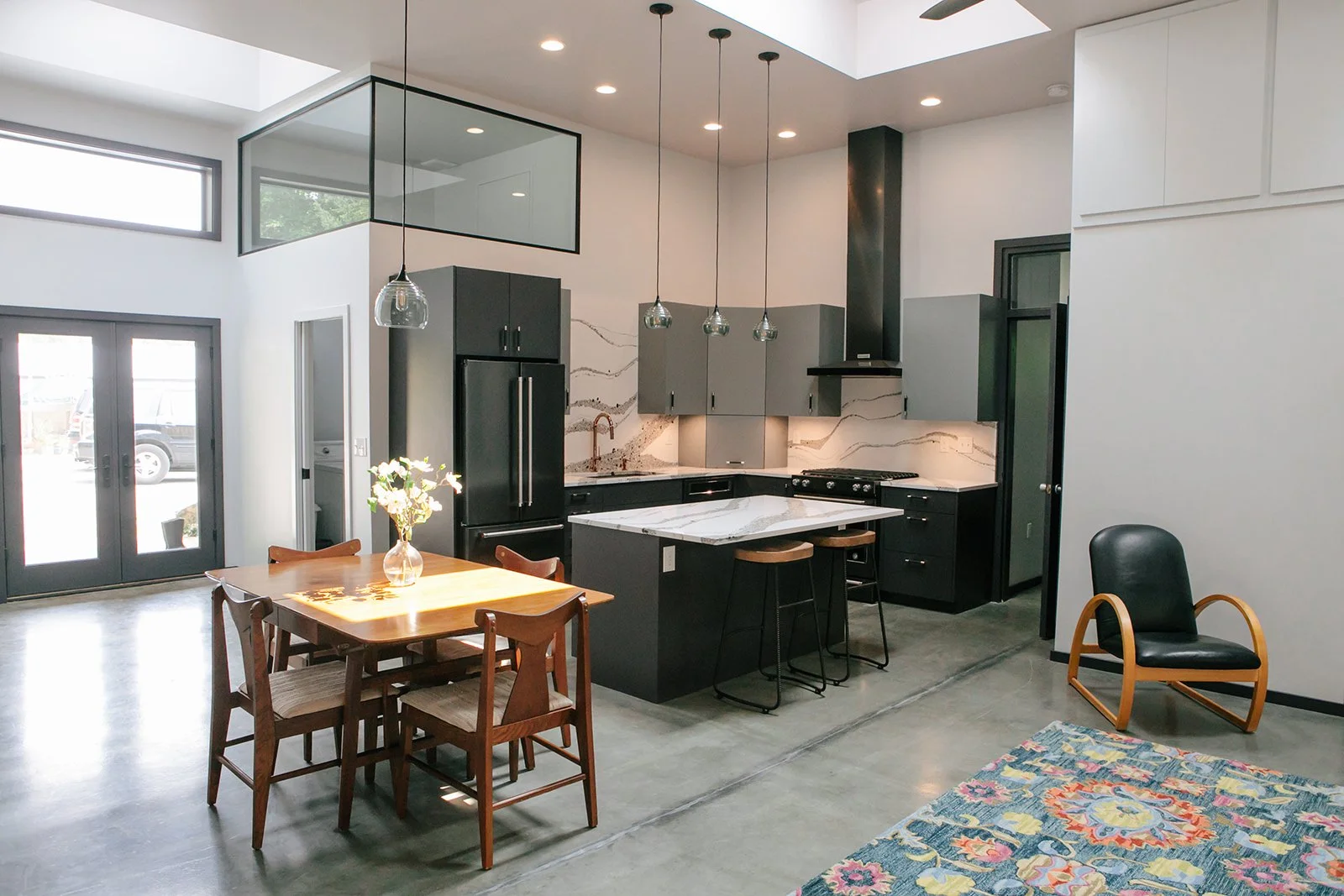
Daylight is one of the strongest environmental drivers of mental health. Natural light regulates circadian rhythms, which influence sleep cycles, hormone production, and overall mood.
Homes designed without careful daylight planning often produce dark interiors during the winter months. This can contribute to fatigue and seasonal mood decline.
Design strategies that support mental wellness include:
Skylight Integration
Skylights increase daylight penetration deeper into a home. Oversized light wells can amplify this effect by allowing light to spread throughout interior spaces.
Clerestory Windows
Clerestory windows allow daylight to move between rooms while preserving privacy. This helps distribute natural light throughout the home rather than concentrating it in a single area.
Layered Lighting Systems
When natural daylight fades, artificial lighting must compensate.
Well-designed homes include:
ambient lighting for general brightness
task lighting for focused activities
indirect lighting to mimic natural daylight patterns
This layered approach prevents harsh contrasts and maintains visual comfort throughout the day.
Materials and Texture as Emotional Anchors
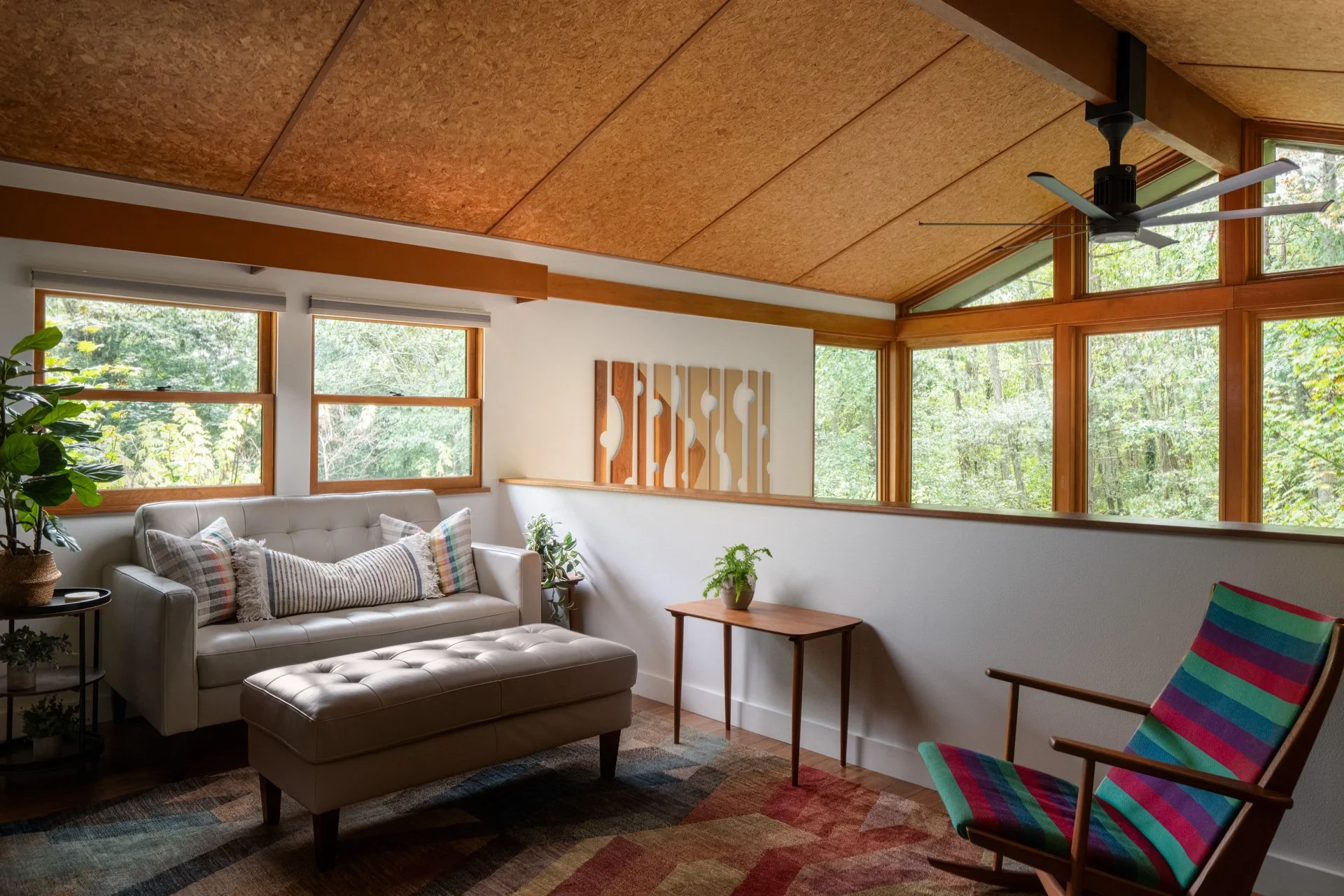
Material selection plays a major role in how a space feels psychologically.
Cold, sterile materials can amplify feelings of isolation during darker seasons. Natural textures introduce warmth and sensory depth.
Designers often incorporate:
natural wood surfaces
woven textiles
stone elements
matte finishes
These materials create tactile contrast and visual softness.
Texture is particularly important in winter environments where outdoor stimulation is limited. Interior materials become a substitute sensory landscape, helping maintain emotional engagement with the environment.
Even small design choices, such as fabric upholstery or natural-fiber rugs, can significantly influence perceived comfort.
Bringing Nature Indoors
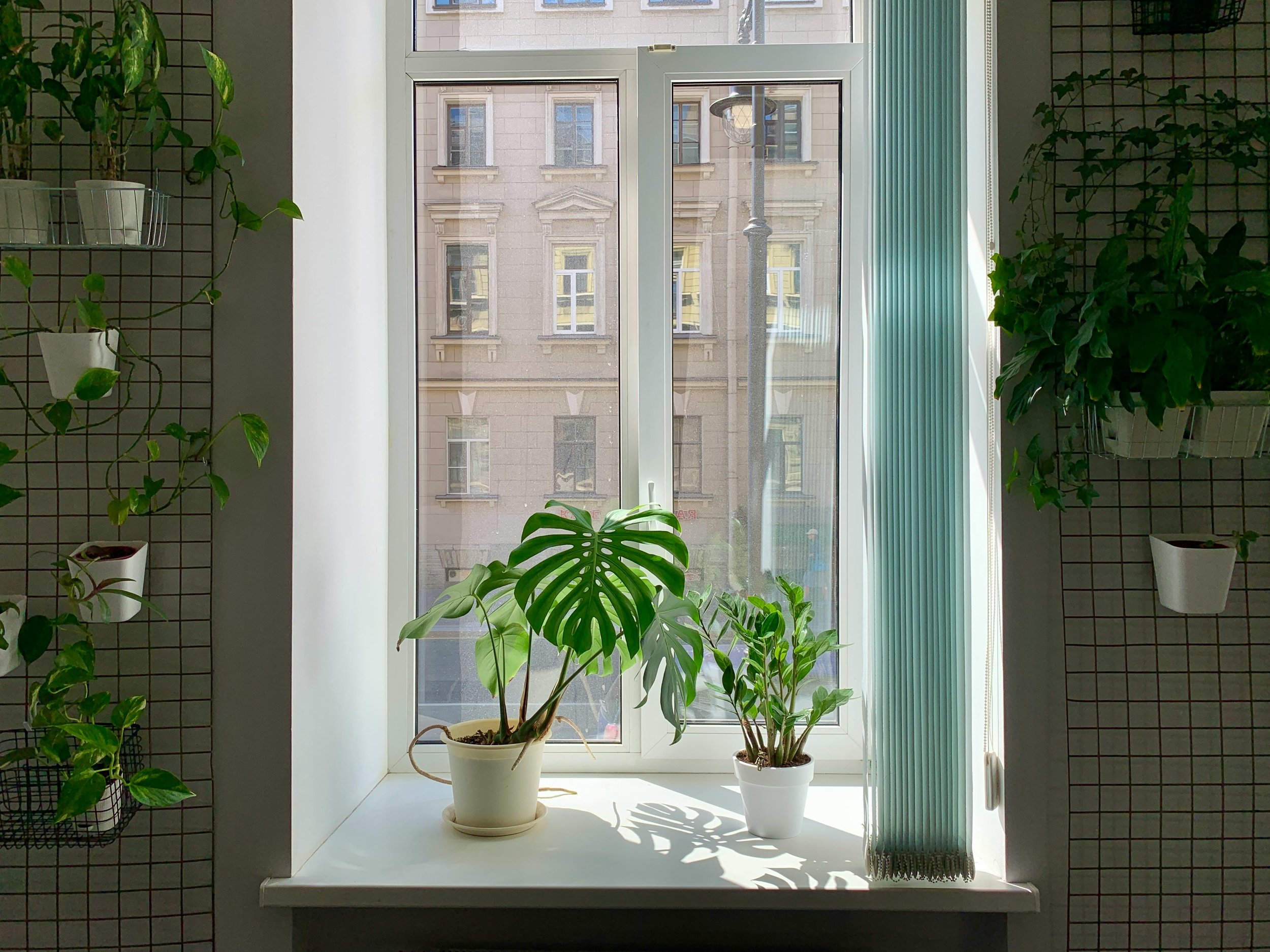
Photo Credit: Elena Golovchenko
One of the most effective mental wellness strategies in architecture is biophilic design. This approach integrates elements of nature directly into interior spaces.
Humans have a psychological preference for natural environments. When homes incorporate those elements, stress levels decrease and cognitive performance improves.
Common biophilic design strategies include:
Interior Plants
Plants introduce movement, color variation, and organic form into the space. Even small indoor gardens can significantly improve the emotional tone of a room.
Natural Color Palettes
Colors inspired by regional landscapes create a subtle sense of familiarity.
Examples include:
moss green
muted stone tones
warm wood hues
cloudy sky grays
These palettes mirror outdoor environments, reinforcing the connection between interior and exterior spaces.
Exterior Views
Large windows oriented toward natural landscapes provide constant visual contact with nature. This passive interaction helps reduce stress even when occupants remain indoors.
Designing Flexible Spaces for Seasonal Living
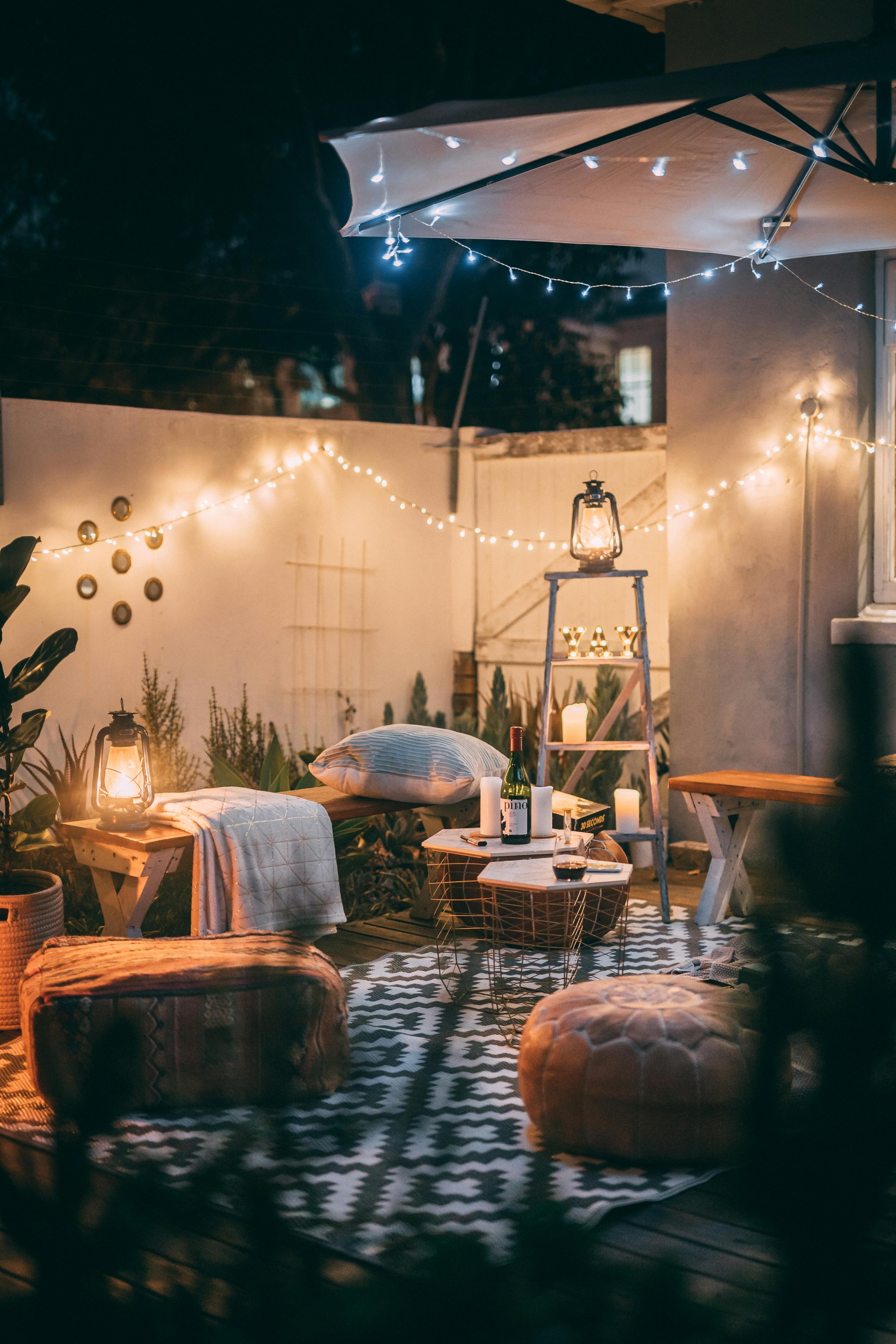
Photo Credit: Taryn Elliott
Seasonal design also involves how rooms function throughout the year.
People use their homes differently in winter compared to summer. Designers account for these behavioral shifts by creating flexible spatial layouts.
Examples include:
Winter Gathering Zones
During colder months, households naturally gravitate toward smaller, warmer spaces. Designers often create cozy seating areas near fireplaces or central lighting zones.
Summer Expansion
In warmer seasons, indoor spaces often extend toward outdoor areas. Sliding doors, covered patios, and transitional rooms help expand the home footprint.
Adaptive Lighting and Furniture
Adjustable lighting and movable furniture allow homeowners to reshape rooms as daylight patterns change.
This flexibility keeps spaces feeling fresh and prevents the stagnation that can occur when interiors never evolve.
The Future of Seasonal Wellness Design
Seasonal design is becoming a major focus in architecture and interior design. As mental health awareness grows, homeowners increasingly recognize that their living environment affects emotional well-being.
Future design trends are likely to include:
smarter daylight analysis in architectural planning
adaptive lighting systems that track circadian rhythms
deeper integration of natural materials
climate-responsive interior layouts
The most successful homes will not simply look beautiful. They will actively support the mental and emotional needs of the people living inside them.
Seasonal design represents a shift toward that goal.

Waldron Designs, LLC is passionate about designing spaces rooted in their context and responsive to the natural environment. Are you ready to create sustainable permanence with your home?
GET IN TOUCH!