Winter light in the Pacific Northwest is not generous. It arrives late, leaves early, and often hides behind cloud cover. If you are building, renovating, or refining your home, this season will expose every lighting weakness.
For the dream realizer, someone investing intentionally in long-term quality, winter is the stress test. If your home works in December, it works year-round.
This guide breaks down how to maximize natural light in winter using architectural strategy, not decorative shortcuts.
Why Winter Light Matters
Reduced daylight affects:
Mood and energy levels
Perceived space and openness
Productivity in home offices
Overall comfort and warmth
Designing for winter daylight is not about brightness alone. It is about direction, depth, reflection, and control.
1. Start with Orientation
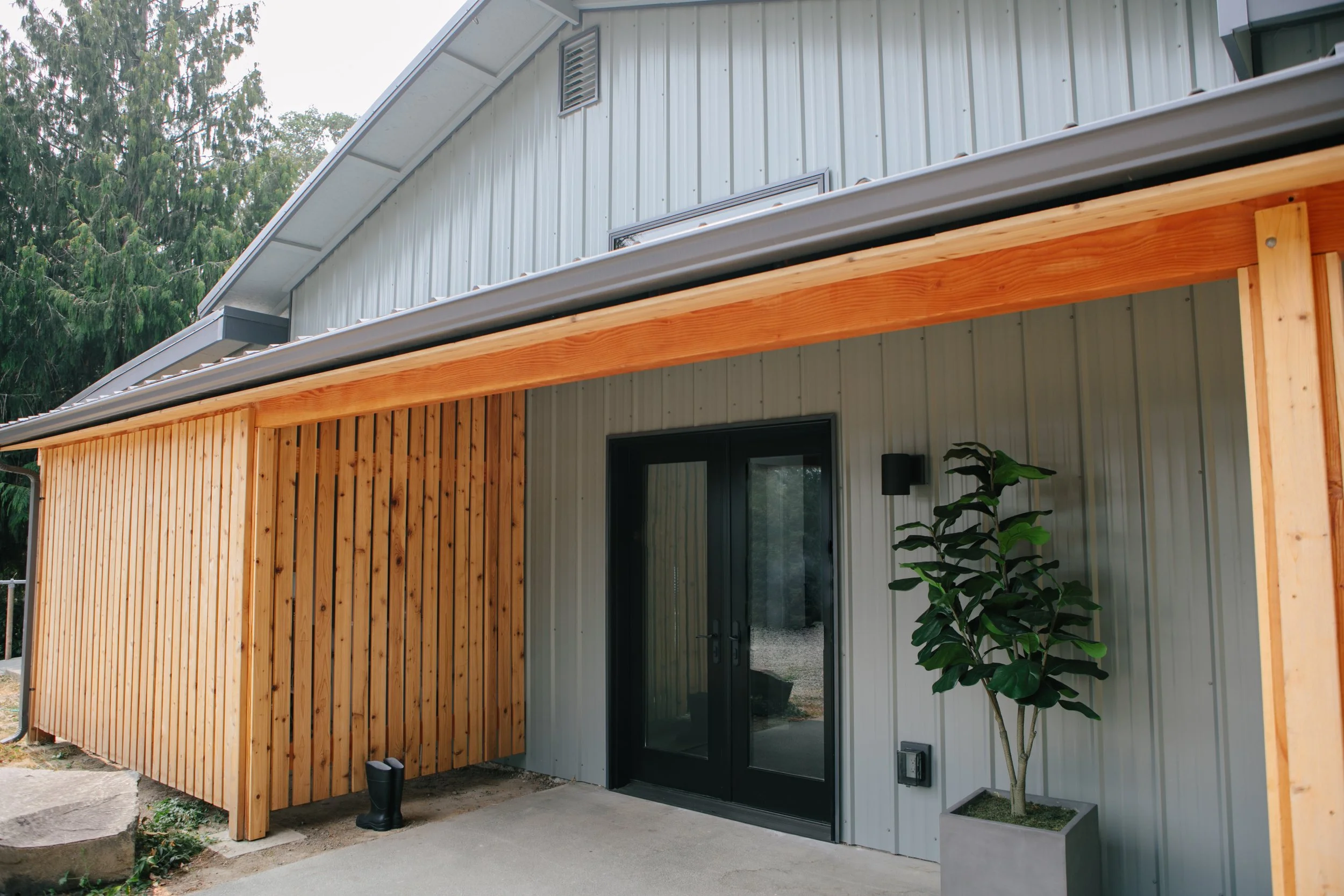
If you are in the northern hemisphere, southern exposure is gold in winter.
Why it works
The winter sun sits lower in the sky. South-facing windows capture longer stretches of daylight and allow sunlight to penetrate deeper into your space.
What to consider
Prioritize large glazing on the south elevation
Minimize unnecessary obstructions like deep porches
Use proper overhang calculations to prevent summer overheating
If you are renovating, even small changes like enlarging existing south-facing windows can significantly increase winter light.
2. Increase Skylight Performance
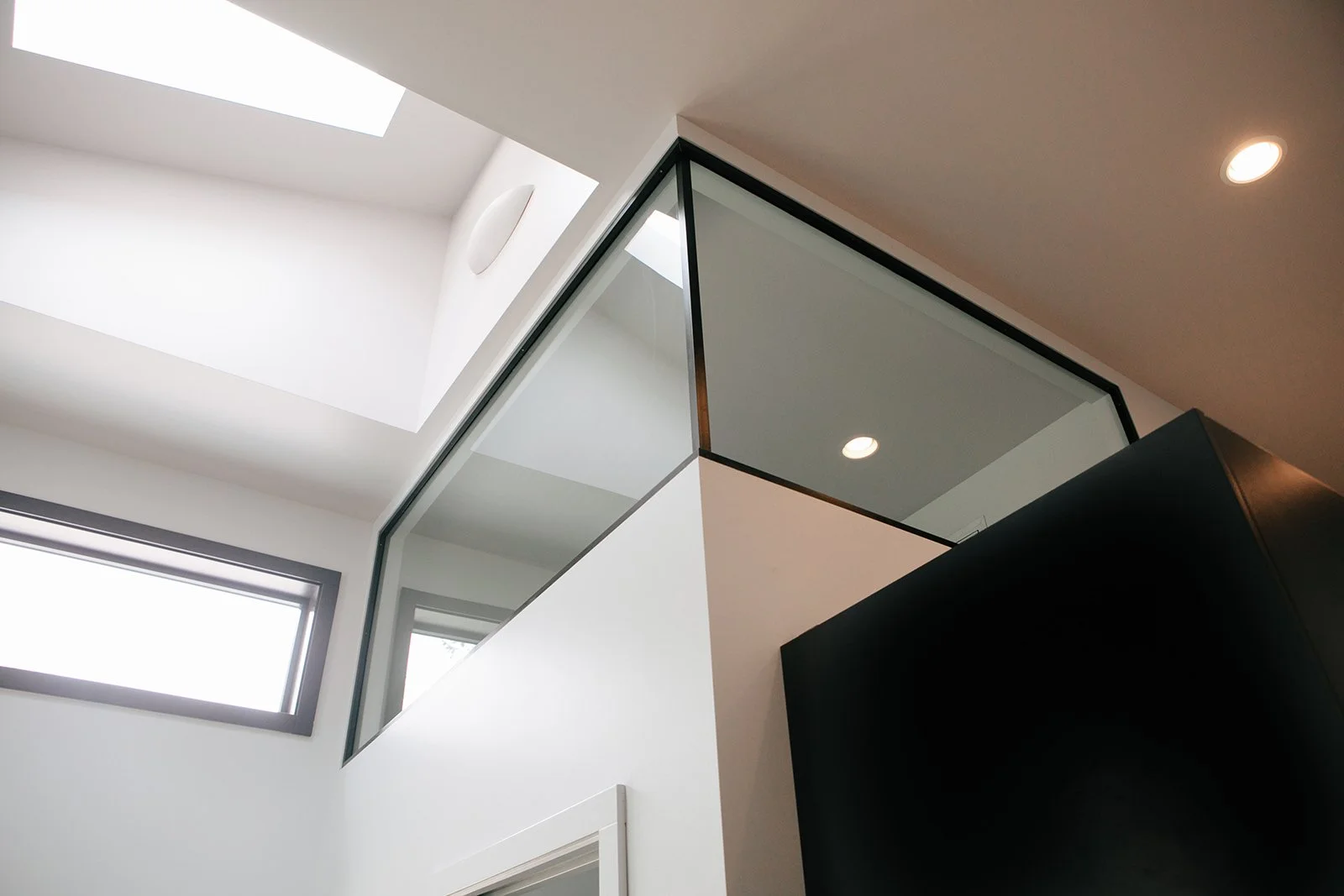
Skylights are not decorative features. When designed correctly, they are light amplifiers.
Design strategies that work:
Oversized light wells to widen the daylight spread
Angled wells to direct light deeper into rooms
Interior clerestory windows to allow light to move between spaces
In darker climates, a flat skylight well wastes potential. A flared well increases the surface area that reflects daylight into the room.
If you are investing in a remodel, this is one place where precision pays off.
3. Choose Reflective, Light-Responsive Materials
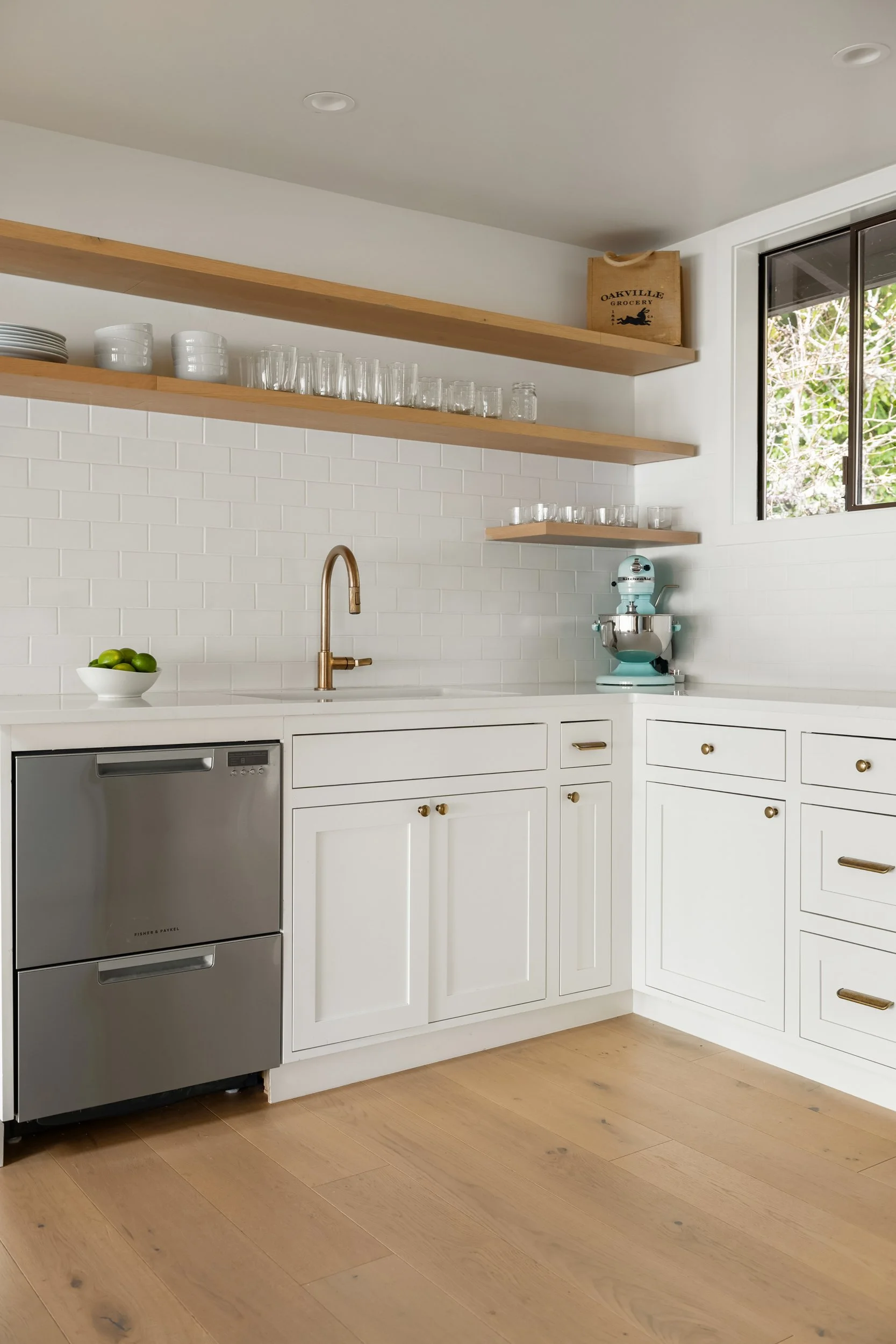
Light does not stop at the window. It bounces.
Materials that enhance winter light:
Light oak or natural hardwood floors
Warm white plaster or mineral-based paint
Matte cabinetry in soft neutrals
Satin or low-sheen finishes that reflect without glare
Avoid overly glossy finishes. They create harsh reflections that feel cold in winter.
The goal is diffusion, not sparkle.
4. Design for Light Movement, Not Just Entry
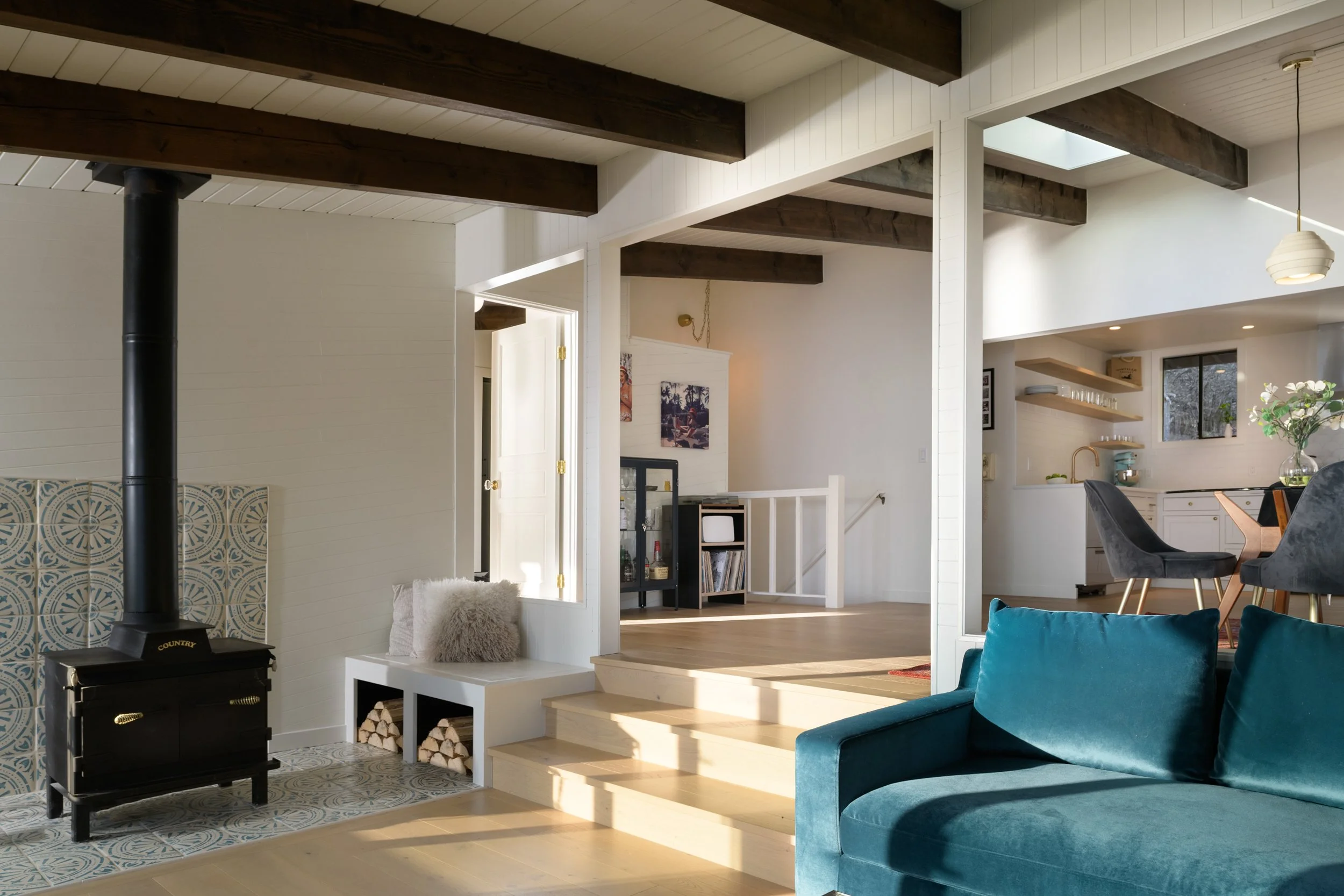
A bright room next to a dark hallway is not a lighting strategy.
Methods that improve distribution:
Interior transom windows
Glass or steel-framed interior doors
Open sight lines between major living areas
Minimal window treatments, or layered sheers
Winter light is limited. Let it travel.
If privacy is required, consider ribbed or reeded glass. It allows daylight through while obscuring direct views.
5. Address Window Efficiency
Maximizing natural light does not mean sacrificing thermal comfort.
Cold glass radiates discomfort even if the room is technically bright.
Look for:
High-performance glazing
Proper insulation around window frames
Air-sealed installations
Daylight without heat loss is the standard. Anything less is compromise.
6. Layer Artificial Lighting Intentionally
Natural light strategies must pair with artificial lighting that supports seasonal wellness.
In darker months:
Install warmer temperature bulbs in living spaces
Use dimmable fixtures
Add wall sconces or indirect lighting to reduce shadowing
Work with a lighting designer if possible. In climates with long winters, this is not excessive. It is practical.
Real-World Example
A recent Pacific Northwest home was designed specifically for a client sensitive to seasonal darkness.
The approach included:
Enlarged south-facing glazing
Deep, flared skylight wells
Clerestory windows to share daylight
Light-toned wood flooring
A layered lighting plan designed alongside the architecture
The result was a home that remained bright and comfortable even during extended gray stretches.
This is what it means to design for winter, not react to it.
Common Mistakes to Avoid
Relying solely on recessed ceiling lights
Using heavy window treatments year-round
Choosing dark wall colors in low-light spaces
Adding skylights without adjusting well geometry
Ignoring orientation during new construction
Winter will reveal these decisions quickly.
Final Thoughts
Maximizing natural light in winter is not about chasing brightness. It is about strategic design decisions that compound over time.
For the dream realizer, the goal is not temporary comfort. It is building a home that performs in every season.
If you are planning a remodel or new build, start by evaluating how your space performs in December. Take photos at 9 a.m., noon, and 3 p.m. Notice where shadows collect. Notice where you feel energized and where you do not.
That is your roadmap.
If you would like a daylight performance review of your space, schedule a winter light consultation and bring your floor plans. The details matter.