
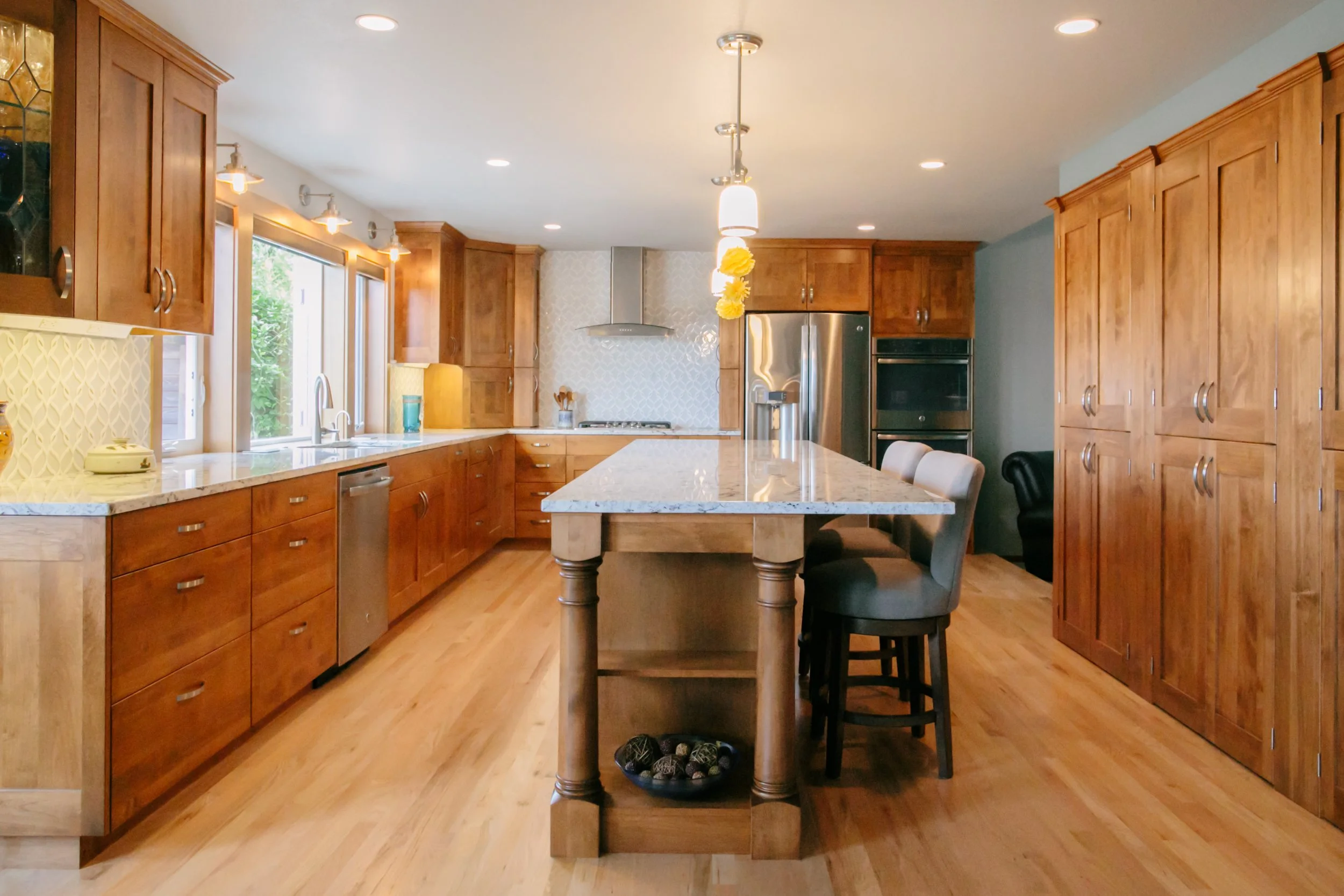
When planning a renovation or custom home, most homeowners focus on the finishes they'll see every day. Countertops, tile, lighting, and paint colors often get the most attention. Yet one of the most important design decisions in any home happens long before those finishes are selected.
Cabinet design directly impacts how your home functions, how organized your spaces feel, and how much value your investment delivers over time.
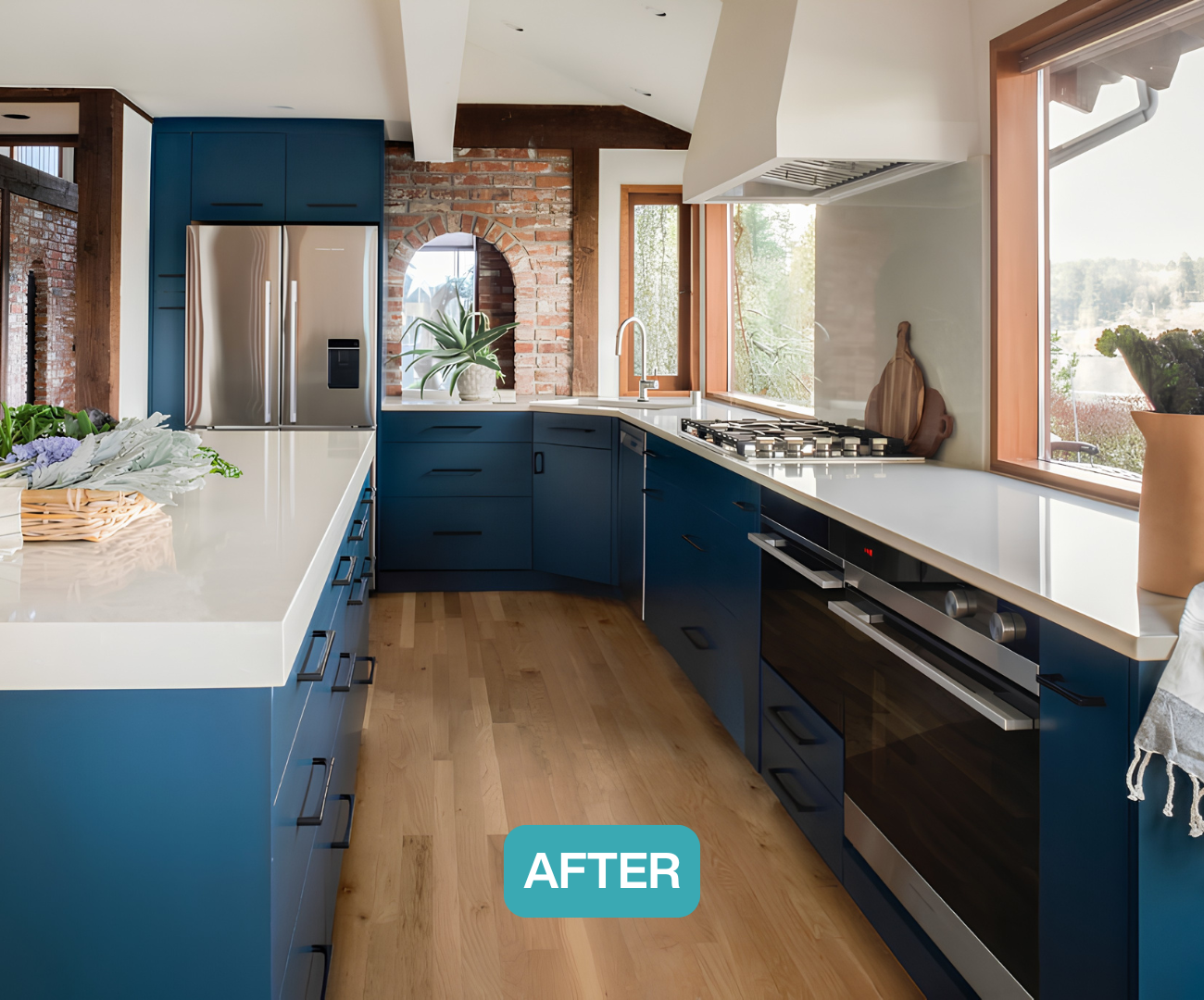
Whether you're remodeling a kitchen, updating a bathroom, or building a custom home, thoughtful cabinetry can make the difference between a space that simply looks good and one that works beautifully for years to come.
Good Cabinet Design Starts With How You Live
Cabinets should do more than fill a wall. The best cabinet designs are built around the daily habits of the people using them. How you cook, entertain, work, clean, and store belongings should all influence the layout and organization of your cabinetry.
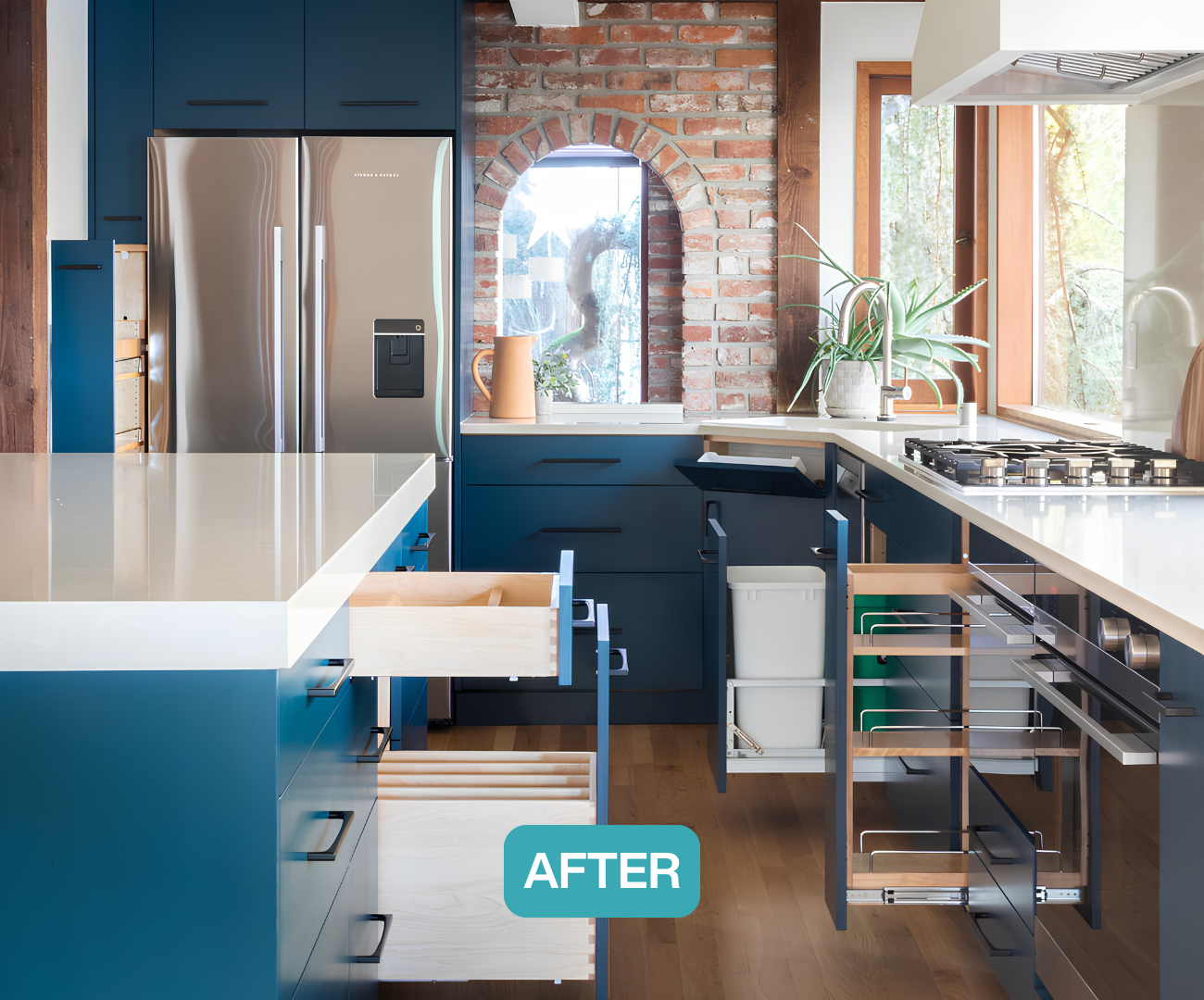
A well-designed kitchen might include:
Deep drawers for cookware instead of hard-to-reach lower cabinets
Dedicated storage for small appliances
Integrated recycling and waste solutions
Pantry organization tailored to your household
Easy access to frequently used items
The goal is simple: create spaces that make everyday tasks easier and more efficient.
Storage Can Increase Without Adding Square Footage
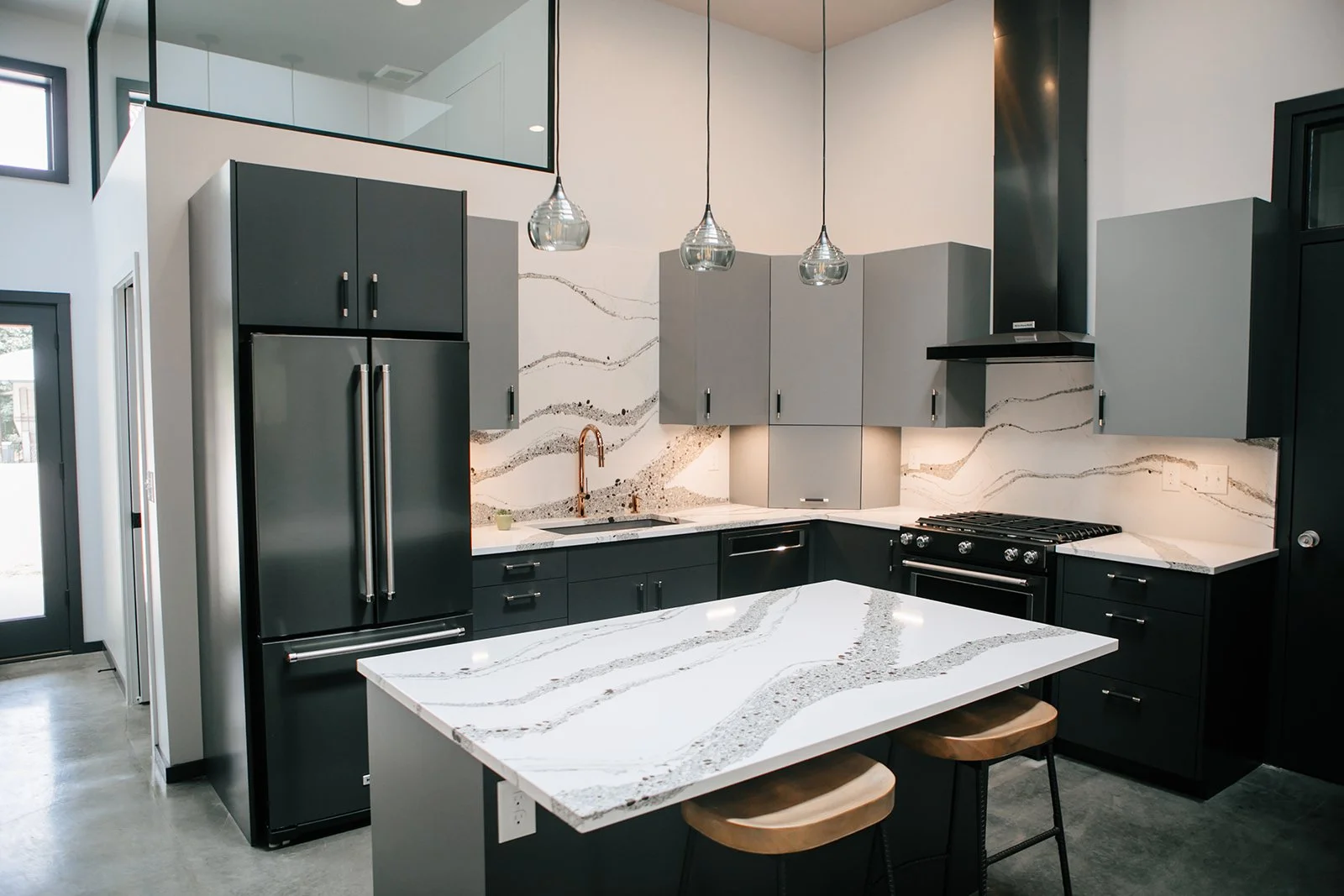
Many homeowners assume they need more space when they actually need better storage. Strategic cabinet planning can dramatically improve functionality without expanding a home's footprint. Vertical storage, custom drawer configurations, built-in organization systems, and thoughtful layouts can create significantly more usable storage within the same square footage.
This is especially valuable in kitchens, mudrooms, laundry rooms, home offices, and smaller homes where every inch matters.
Cabinetry Influences the Entire Design of a Room
Cabinets often occupy more visual space than any other design element. Their style, proportions, color, material selection, and detailing help establish the overall character of a room. Whether your home leans modern, traditional, coastal, contemporary, or transitional, cabinetry plays a major role in defining the aesthetic.
Because cabinetry is such a dominant feature, it should work cohesively with the architecture, finishes, furnishings, and lighting throughout the home.
The most successful spaces are designed as a complete system rather than a collection of individual selections.
Quality Cabinets Deliver Long-Term Value
Not all cabinetry is created equal. While many products may appear similar at first glance, construction methods, materials, hardware, and finishes can vary significantly. These differences become more noticeable over time as cabinets experience daily wear and use.
Quality cabinetry often provides:
Better durability
Improved functionality
Smoother drawer and door operation
Longer product lifespan
Greater resale appeal
For homeowners planning to stay in their homes for years, investing in well-built cabinetry can provide lasting value long after the renovation is complete.
Early Planning Helps Avoid Costly Changes
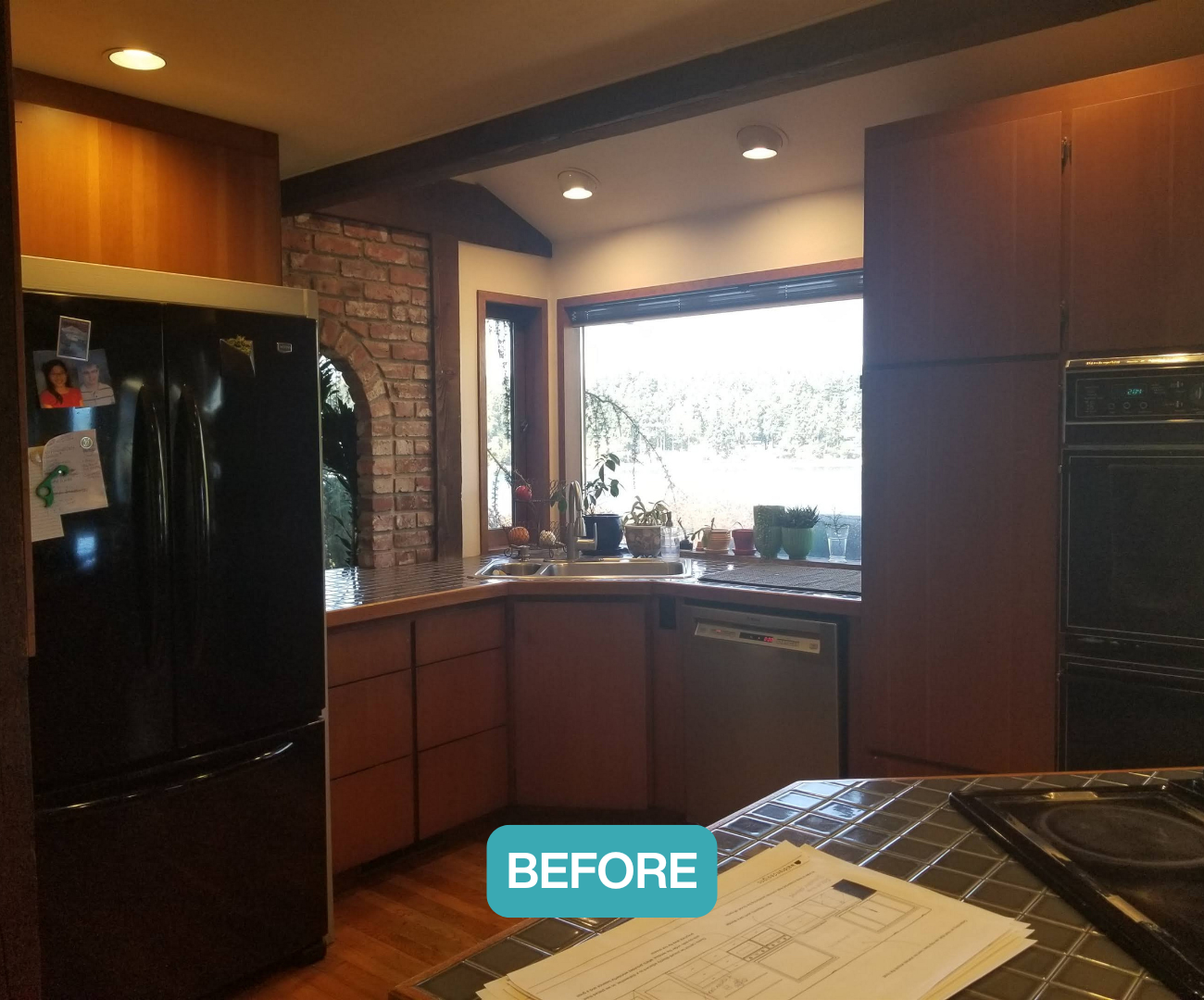
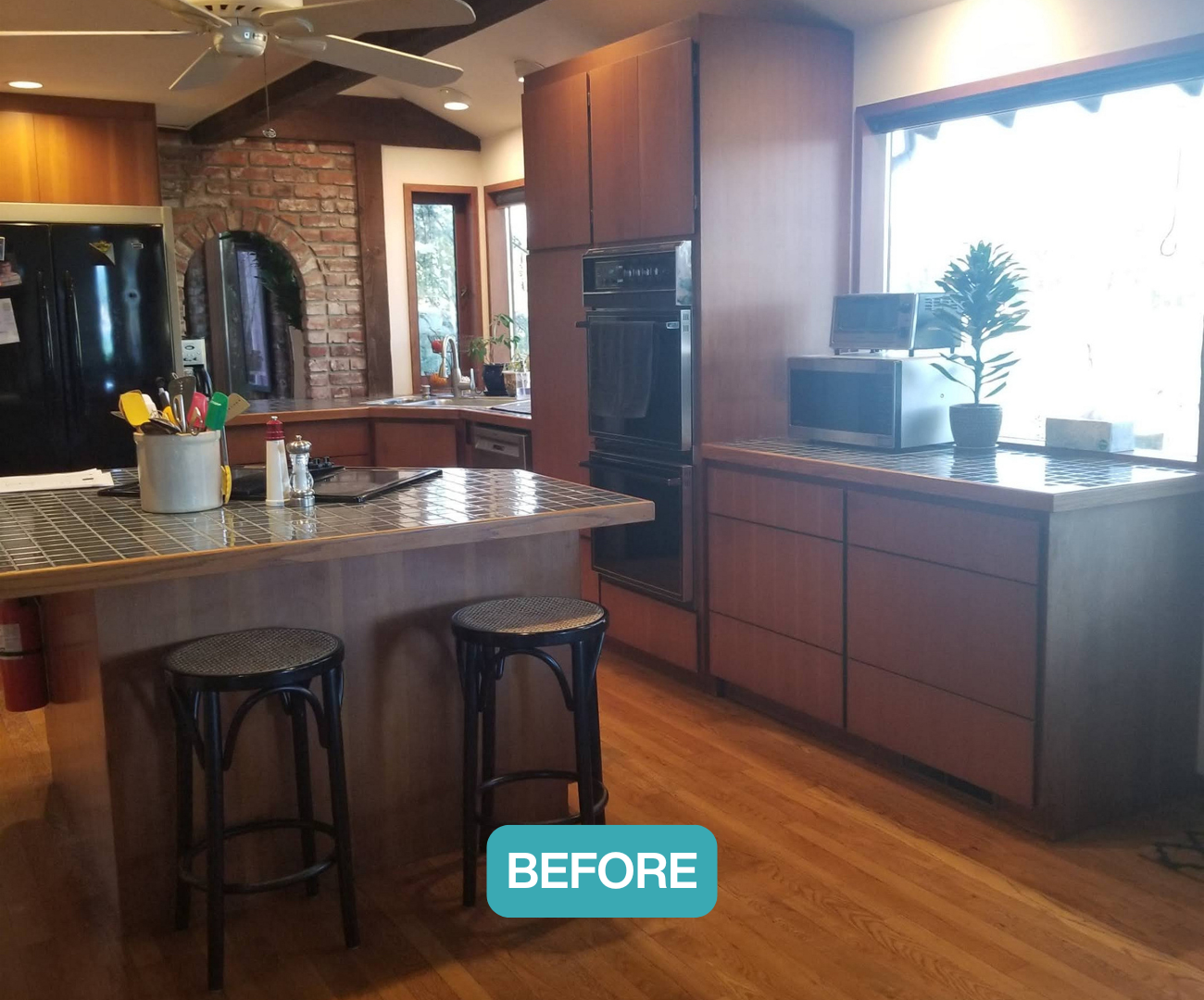
Cabinet design affects much more than storage. Cabinet layouts influence appliance locations, electrical planning, plumbing placement, lighting design, and construction details throughout a project. Decisions made early in the design process help prevent conflicts during construction and reduce the likelihood of costly revisions later.
When cabinetry is integrated into the overall design from the beginning, projects tend to move more smoothly and achieve better results.
Bringing Design and Function Together
Great cabinetry balances aesthetics and performance. At Waldron Designs, cabinet selections are approached as part of the larger design vision for a home. We consider how each space will be used, how it should feel, and how cabinetry can support both the functionality and beauty of the overall design.
The right cabinets do more than provide storage. They improve daily life, support your home's architecture, and contribute meaningful long-term value to your investment.
If you're planning a renovation or custom home, cabinet design deserves careful consideration from the very beginning.
-
Custom cabinetry pricing varies based on the size of the project, materials, finishes, storage features, and installation requirements. While custom cabinets typically cost more than stock options, they offer greater flexibility, better use of space, and a design tailored specifically to your home
-
For many homeowners, yes. Custom cabinetry can improve functionality, maximize storage, enhance the overall design of a space, and contribute to long-term home value. The right cabinet design can also help avoid compromises often required with stock cabinetry.
-
Stock cabinets come in standard sizes and limited finishes. Semi-custom cabinets offer more flexibility in sizing, finishes, and storage options. Custom cabinets are built specifically for your space, allowing for complete design freedom and a tailored fit.
-
Lead times vary depending on the manufacturer, customization level, and project scope. Most cabinetry projects require several weeks for design, ordering, manufacturing, and installation. Planning cabinetry early in the design process helps prevent delays during construction.
-
Cabinet selections should be made early in the design process. Cabinet layouts influence appliance locations, electrical planning, plumbing, lighting, and other construction details. Early decisions help keep projects on schedule and reduce costly revisions.
-
The best cabinet style complements your home's architecture, interior finishes, and lifestyle. Factors such as door profiles, material selections, hardware, color palettes, and storage needs all play a role in creating a cohesive design.
-
Quality cabinetry is often viewed as a desirable feature by potential buyers. Well-designed kitchens, bathrooms, mudrooms, and built-ins can improve functionality, enhance visual appeal, and contribute positively to resale value.
-
Working with a designer can streamline the selection process and help ensure cabinetry aligns with the overall design vision. Designers can also coordinate cabinet layouts with construction documents, finishes, appliances, and other project details, helping reduce mistakes and improve project outcomes.

Waldron Designs, LLC is passionate about designing spaces rooted in their context and responsive to the natural environment. Are you ready to create sustainable permanence with your home?
GET IN TOUCH!