

Comfort in the Darkness
The winter solstice is the shortest day and the longest night of the year. It is also when residential design is tested the hardest. When daylight fades early, and interiors carry more of the emotional load, a home either supports comfort or quietly works against it.
At Waldron Designs, we design with this moment in mind. If a space performs well during winter, it will function better year-round.
1. Designing With Limited Daylight
Winter light behaves differently from summer light. It arrives at a lower angle, lasts for fewer hours, and is more directional. Effective daylighting strategies respond intentionally rather than in excess.
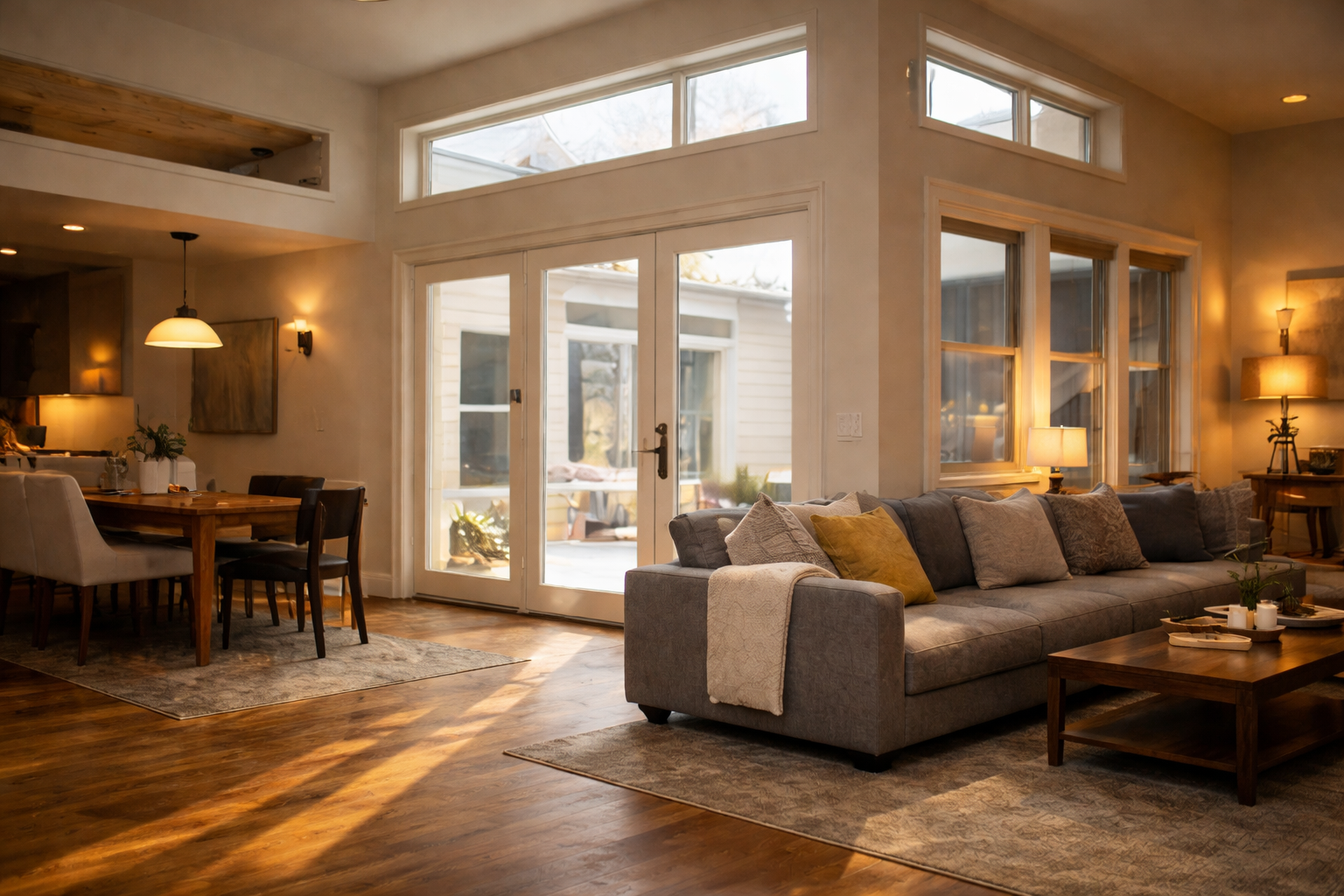
South-facing windows receive the most reliable winter sun. Clerestory windows and interior transoms allow light to move deeper into the home without glare. Clear sight lines matter more than window size. Light that can travel through connected spaces is more useful than light that stops at a wall.
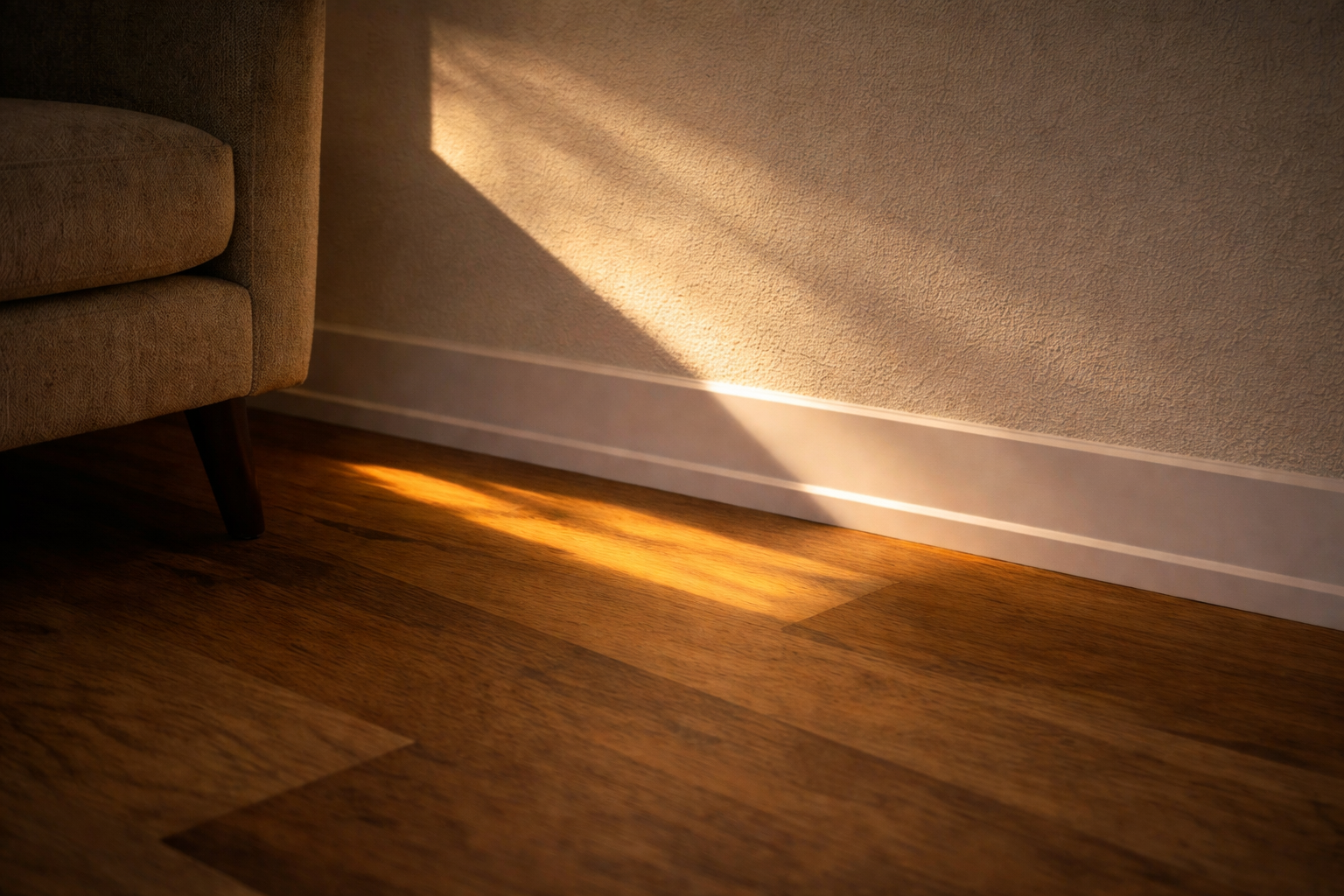
The goal is not brightness. It is distribution.
2. Lighting Design as Interior Infrastructure
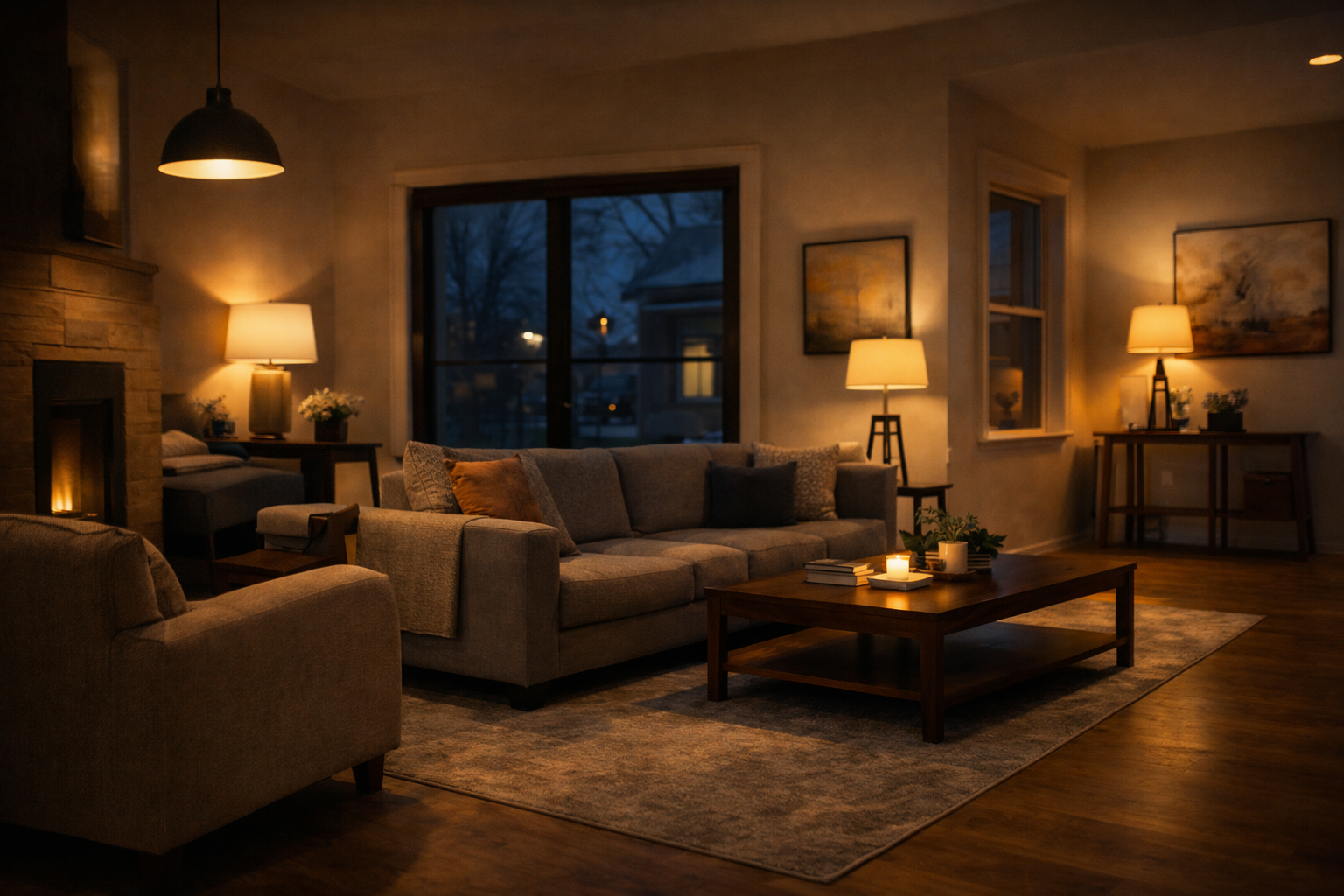
When natural light disappears early, artificial lighting becomes essential infrastructure. Homes designed with layered lighting perform better in winter because they adapt.
A well-balanced lighting plan typically includes:
Ambient lighting to establish baseline visibility
Task lighting for reading, cooking, and focused work
Accent lighting to add depth and prevent flat interiors
Warm color temperatures reduce visual fatigue and create calmer environments during darker months. Dimming controls allow lighting levels to shift throughout the day, supporting circadian rhythm and reducing overstimulation in the evening.
Lighting should feel deliberate, not improvised.
3. Color Psychology in Low-Light Seasons
Color has a measurable impact on mood, especially when daylight is limited.
Warm neutrals, muted earth tones, and layered whites with depth reflect available light without feeling stark. Darker colors work when used strategically, grounding a space and adding contrast. Balance is critical. Too much darkness creates heaviness. Too much brightness feels exposed.
Seasonal comfort is built through restraint, not trend-driven palettes.
4. Material Choices That Shape Light
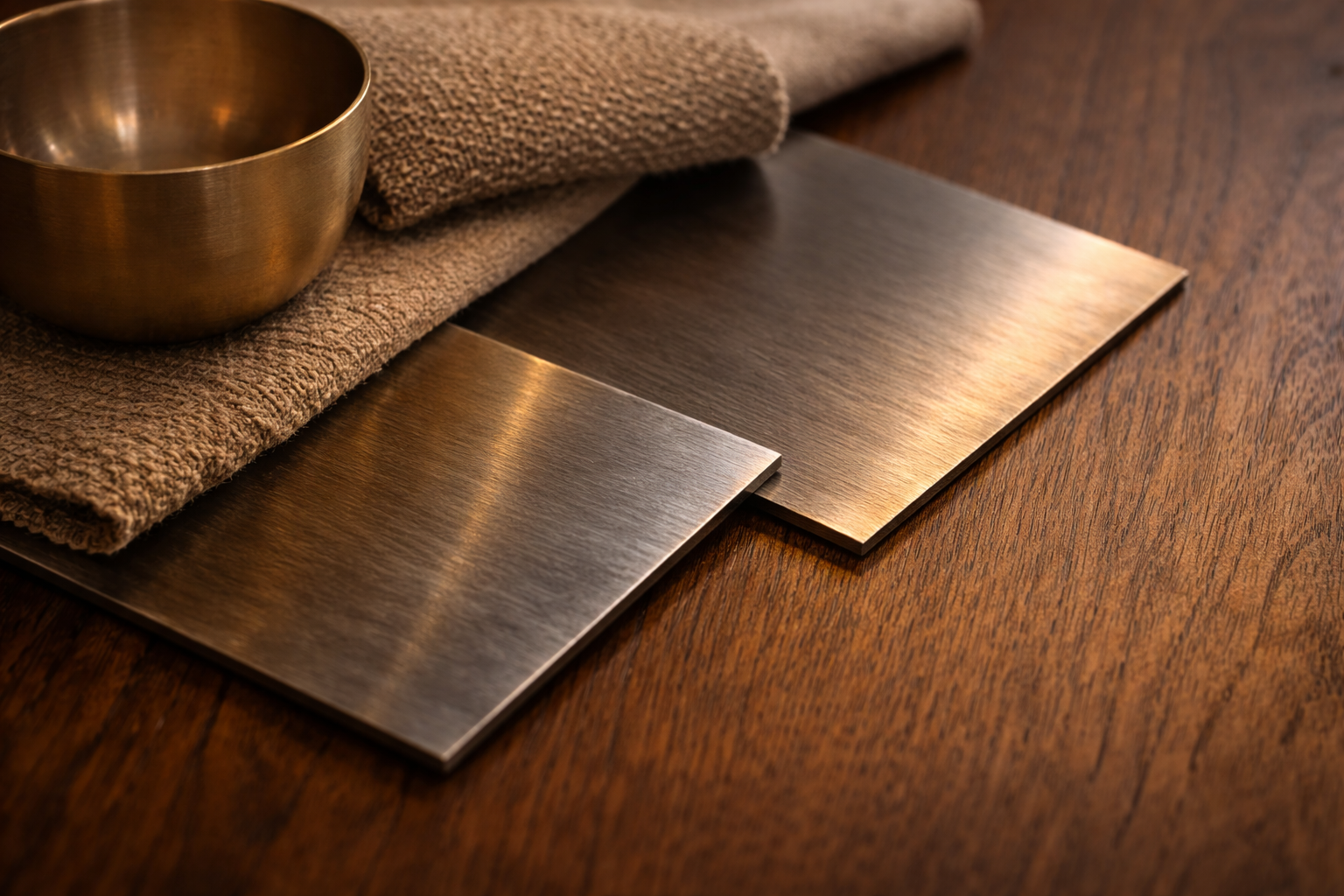
Materials influence how light behaves inside a home.
Natural wood finishes add warmth and absorb glare, creating softer visual transitions. Cooler metals reflect light, helping brighten darker areas. Warmer metals add richness and depth, particularly effective during the winter months.
Textiles matter as well. Wool, linen, and layered fabrics soften acoustics and reinforce a sense of shelter. These choices affect mood as much as appearance.
5. Spatial Planning for Winter Living
Winter changes how people use space. Homes feel better when the design acknowledges that shift.
Oversized open plans can feel exposed during darker months. Defined seating areas, smaller gathering zones, and spaces positioned near windows or lamps feel more comfortable. Thoughtful circulation and intentional pauses support slower rhythms without sacrificing openness in other seasons.
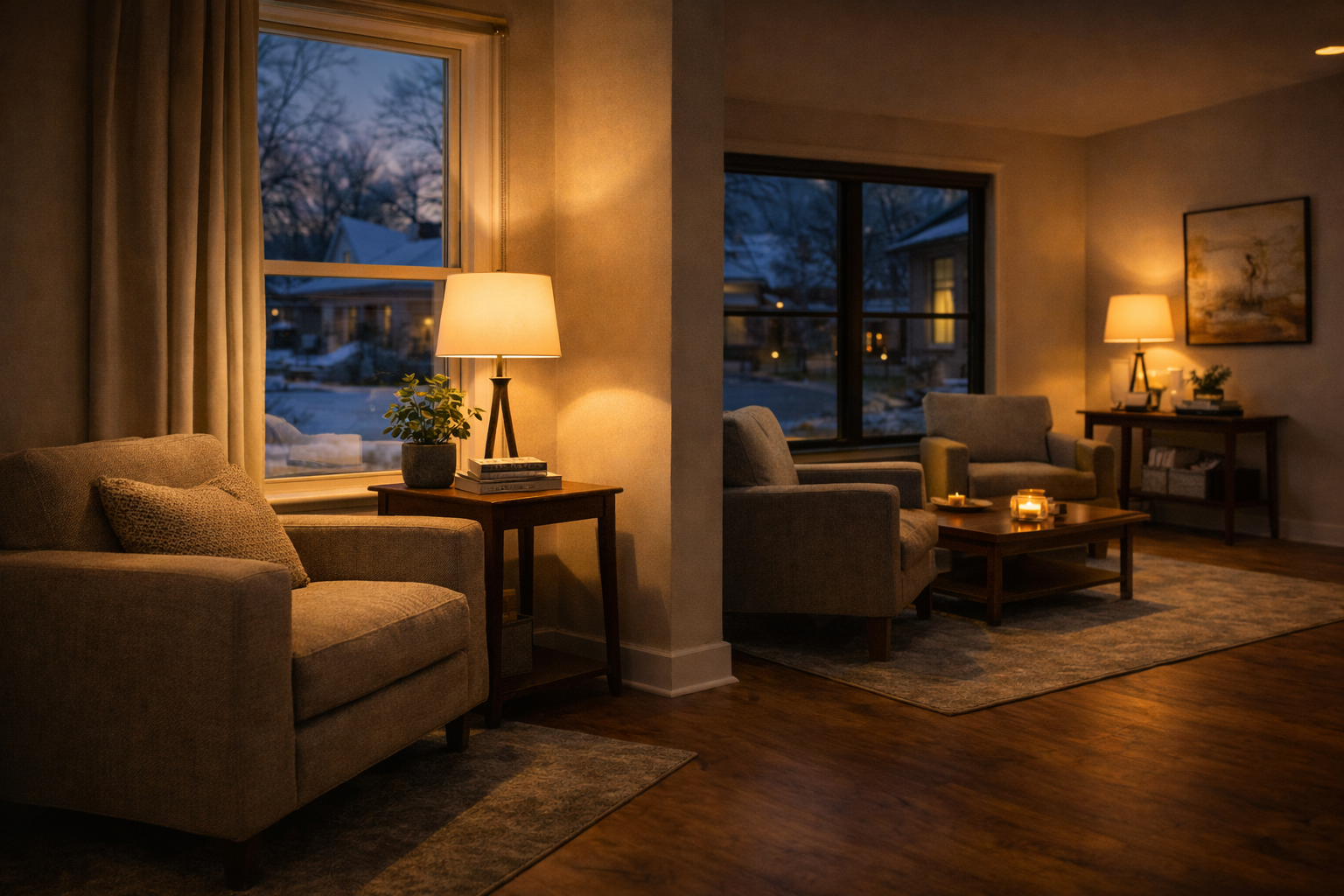
Design that anticipates seasonal use feels intuitive because it is.
6. Designing for the Dark
The winter solstice is not something to eliminate through design. It is something design must account for.
Homes that acknowledge darkness and respond with warmth, balance, and control perform better year-round. Comfort in winter is not about eliminating shadow. It is about managing light, material, and space with intention.
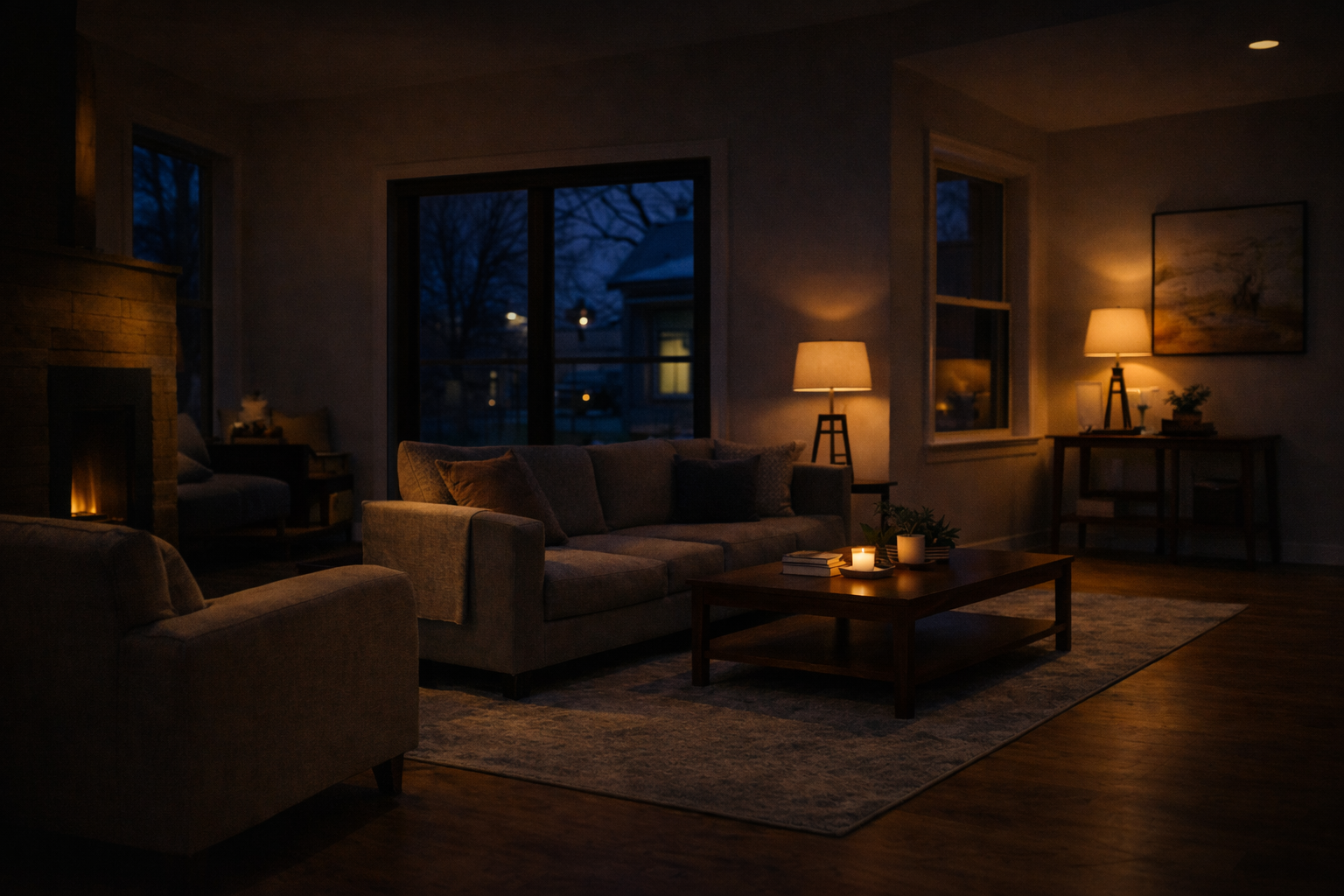
If a home works in December, it works every month of the year.

Waldron Designs, LLC is passionate about designing spaces rooted in their context and responsive to the natural environment. Are you ready to create sustainable permanence with your home?
GET IN TOUCH!